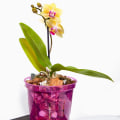
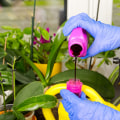
Understanding the nutritional needs of orchids is crucial for anyone looking to cultivate these stunning plants successfully. Unlike many common houseplants, orchids have unique requirements that stem from their natural habitats, which are often found in tropical rainforests. In these environments, orchids grow on trees and absorb nutrients from the air and rainwater rather than from soil. This adaptation means that they require a specific balance of nutrients to thrive, making orchid fertilizer a vital component of their care. Orchids typically need a higher concentration of certain nutrients, particularly nitrogen, phosphorus, and potassium, but in different ratios compared to other plants.
For instance, during the growing season, they benefit from fertilizers that are higher in nitrogen to promote lush foliage and root development. Conversely, during the blooming phase, a fertilizer with increased phosphorus can help enhance flower production. This tailored approach to orchid fertilizer requirements is essential for achieving vibrant blooms and healthy growth. Moreover, using a general-purpose fertilizer can lead to nutrient imbalances or deficiencies that may hinder an orchid's growth or even cause damage. Therefore, understanding why orchids need special care is fundamental for any enthusiast.
By providing the right type of fertilizer specifically formulated for orchids, you ensure that these delicate plants receive the precise nutrients they need to flourish and display their breathtaking flowers.
Types of Fertilizers for Orchids
When it comes to orchid care tips, understanding the different types of fertilizers available is essential for promoting healthy growth and vibrant blooms. Orchids have specific nutritional needs, and choosing the right fertilizer can make a significant difference in their overall health.Types of Orchid Fertilizers
- Liquid Fertilizers: These are highly concentrated solutions that can be easily mixed with water. Liquid fertilizers are often favored for their quick absorption by the plant roots. They allow for precise control over nutrient delivery and can be applied more frequently, typically every two weeks during the growing season.
- Granular Fertilizers: Granular options release nutrients slowly over time, making them ideal for those who prefer less frequent applications.
They are often mixed into the potting medium and can provide a steady supply of nutrients for several months. However, they may not be as effective in delivering immediate nutrients compared to liquid forms.
Organic vs. Synthetic Orchid Fertilizers
- Organic Fertilizers: Derived from natural sources such as compost, fish emulsion, or seaweed, organic fertilizers improve soil health and promote beneficial microbial activity. They are generally safer for the environment and can enhance the overall vitality of your orchids.
- Synthetic Fertilizers: These are chemically formulated to provide specific nutrient ratios tailored to orchid needs.
While they can deliver nutrients quickly and effectively, they may lead to salt buildup in the potting medium if not used carefully. Regular flushing of the potting medium with water is recommended to prevent this issue.
Benefits of Using Orchid-Specific Fertilizers
When it comes to orchid care tips, one of the most significant decisions a grower can make is the choice of fertilizer. Using a fertilizer specifically formulated for orchids offers several advantages that can enhance the health and vitality of these delicate plants.Nutrient Ratios Tailored for Orchids
Orchid-specific fertilizers are designed with nutrient ratios that cater to the unique needs of orchids.Unlike general-purpose fertilizers, which may contain a balanced mix of nutrients, orchid fertilizers often have higher levels of nitrogen, phosphorus, and potassium (N-P-K) tailored to support blooming and root development. This targeted approach ensures that orchids receive the right nutrients at the right time, promoting robust growth and vibrant flowers.
Formulation Benefits
Another key benefit of using specialized fertilizers is their formulation. Many orchid fertilizers come in liquid or slow-release forms, allowing for better absorption and minimizing the risk of over-fertilization. This is crucial because orchids are sensitive to excess nutrients, which can lead to root burn or other health issues.Additionally, some orchid fertilizers include micronutrients such as magnesium and calcium, which are essential for overall plant health but may be lacking in general fertilizers.
Improved Plant Health
Using a fertilizer specifically made for orchids can lead to improved plant health. Healthy orchids are more resilient against pests and diseases, making them easier to care for in the long run. By providing the right nutrients in the correct proportions, you can help your orchids thrive and produce stunning blooms year after year.- Enhanced Blooming: Orchid-specific fertilizers often promote more abundant and longer-lasting flowers.
- Root Development: Formulations designed for orchids support strong root systems, essential for nutrient uptake.
- Reduced Risk of Over-Fertilization: Specialized products help prevent common fertilization mistakes that can harm your plants.
When to Use General Fertilizers for Orchids
While fertilizers specifically made for orchids are often recommended for their unique nutritional needs, there are scenarios where using a general fertilizer can be beneficial.Understanding when to use these fertilizers is crucial for effective orchid care.
When to Consider General Fertilizers
- New Orchids: If you have recently acquired an orchid and are unsure of its previous care, a diluted general fertilizer can help provide a balanced nutrient boost.
- Seasonal Growth: During the active growing season, typically spring and summer, general fertilizers can support overall plant health, especially if your orchid is not blooming as expected.
- Soil Nutrient Depletion: If your orchid is potted in a medium that has been used for a while, it may benefit from a general fertilizer to replenish nutrients that have been depleted over time.
How to Use General Fertilizers Effectively
When using a general fertilizer for your orchids, consider the following tips:- Dilution: Always dilute the fertilizer to half or even a quarter of the recommended strength. Orchids are sensitive to high nutrient concentrations.
- Frequency: Apply the diluted general fertilizer every 4-6 weeks during the growing season. Reduce or stop fertilization during dormancy in fall and winter.
- Watering: Ensure that you water your orchids thoroughly before applying fertilizer. This helps prevent root burn and ensures even nutrient absorption.
By understanding when and how to use them, you can enhance your orchid's health and growth effectively.
How to Apply Fertilizer to Orchids
Applying fertilizer to your orchids is a crucial aspect of orchid care that can significantly impact their growth and blooming potential. Here are some effective tips on how to fertilize orchids properly.Choosing the Right Fertilizer
When selecting a fertilizer, you can choose between orchid-specific fertilizers and general-purpose fertilizers. Orchid fertilizers are typically formulated with a higher concentration of nitrogen, phosphorus, and potassium (N-P-K) tailored for the unique needs of orchids. If you opt for a general fertilizer, ensure it is balanced and diluted to half strength to avoid over-fertilization.Application Frequency
Orchids generally benefit from fertilization every two weeks during their growing season (spring and summer) and once a month during their dormant period (fall and winter).This schedule helps maintain nutrient levels without overwhelming the plants.
How to Apply Fertilizer
- Water First: Always water your orchids thoroughly before applying fertilizer. This helps prevent root burn and ensures that the roots can absorb nutrients effectively.
- Dilute the Fertilizer: If using a concentrated orchid fertilizer, dilute it according to the package instructions. For general fertilizers, mix it at half strength.
- Even Distribution: Apply the diluted fertilizer evenly around the base of the plant, avoiding direct contact with the leaves or flowers. This minimizes the risk of leaf burn.
- Follow Up with Water: After applying fertilizer, water your orchids lightly to help wash away any excess that may remain on the surface.
Best Practices for Fertilizing Orchids
- Avoid Over-Fertilization: Too much fertilizer can lead to salt buildup in the potting medium, which can harm your orchids.
Always err on the side of caution.
- Observe Your Plants: Pay attention to your orchids' response to fertilization. Yellowing leaves may indicate over-fertilization, while slow growth could suggest a need for more nutrients.
- Use Quality Products: Invest in high-quality fertilizers specifically designed for orchids or reputable general-purpose options to ensure optimal results.
Common Mistakes in Orchid Fertilization
When it comes to orchid care tips, understanding the common mistakes in fertilization can significantly enhance the health and blooming potential of your orchids. Many growers, both novice and experienced, often fall into the trap of over-fertilizing their plants, which can lead to nutrient burn and root damage.Over-fertilization
is one of the most prevalent errors. Orchids require a delicate balance of nutrients, and too much fertilizer can overwhelm them.
To avoid this mistake, always follow the recommended dosage on the fertilizer label and consider diluting it further. A good rule of thumb is to use a half-strength solution every other week during the growing season.Another common error is using a general-purpose fertilizer instead of one specifically formulated for orchids. While general fertilizers may seem convenient, they often lack the precise nutrient ratios that orchids need. Opting for an orchid-specific fertilizer ensures that your plants receive the right balance of nitrogen, phosphorus, and potassium, which are crucial for their growth.
Timing
is also critical in orchid fertilization.
Many growers fertilize too frequently or at inappropriate times. Fertilizing during dormancy can stress the plant and hinder its recovery when it’s time to grow again. It’s best to fertilize during active growth periods, typically in spring and summer.Lastly, neglecting to flush the potting medium can lead to salt buildup from fertilizers. This accumulation can harm your orchids over time.
To prevent this, periodically flush the potting medium with plain water to wash away excess salts.By being aware of these common fertilization errors and implementing these orchid care tips, you can create a healthier environment for your orchids to thrive.
Frequently Asked Questions about Orchid Fertilization
When it comes to orchid fertilization, many enthusiasts have questions about the best practices to ensure their plants thrive. Here are some common queries regarding orchid care and fertilization:- Can I use a fertilizer specifically made for orchids?
Yes, using a fertilizer specifically formulated for orchids is often recommended. These fertilizers typically contain the right balance of nutrients that orchids need, such as nitrogen, phosphorus, and potassium, in ratios that support their unique growth requirements. - What about general-purpose fertilizers?
While general-purpose fertilizers can be used, they may not provide the optimal nutrient balance for orchids. If you choose to use a general fertilizer, look for one that is low in nitrogen and has a higher ratio of phosphorus and potassium. - How often should I fertilize my orchids?
Most experts recommend fertilizing orchids every 2-4 weeks during the growing season (spring and summer) and reducing frequency during the dormant period (fall and winter).Always follow the instructions on the fertilizer label for best results.
- Should I dilute the fertilizer?
Yes, it’s advisable to dilute orchid fertilizers to half or quarter strength to prevent root burn. Orchids are sensitive to high concentrations of nutrients. - What signs indicate my orchid needs more fertilizer?
If your orchid shows slow growth, yellowing leaves, or lack of blooms, it may be a sign that it needs more nutrients. However, be cautious not to over-fertilize, as this can lead to root damage.