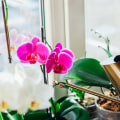
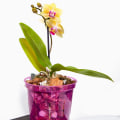
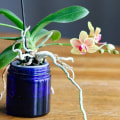
Orchids are among the most diverse and captivating plants in the botanical world, boasting over 25,000 species and countless hybrids. Their unique characteristics set them apart from other flowering plants, making them a favorite among indoor gardeners. With their intricate blooms and varied colors, orchids can transform any space into a vibrant oasis. However, to successfully grow these stunning plants indoors, it is essential to understand their specific needs and care requirements. There are several types of orchids, each with its own distinct features and care guidelines.
Some of the most popular varieties include Phalaenopsis, Cattleya, and Dendrobium. Phalaenopsis, often referred to as the moth orchid, is particularly favored for its long-lasting flowers and ease of care, making it an excellent choice for beginners. On the other hand, Cattleya orchids are known for their large, fragrant blooms that can add a touch of elegance to any room. Understanding the characteristics of orchids is crucial for successful indoor cultivation. These plants typically thrive in environments that mimic their natural habitats—often tropical or subtropical regions—where they receive filtered light and high humidity.
By learning about their specific light, water, and temperature requirements, you can create an ideal environment that promotes healthy growth and stunning blooms. This foundational knowledge will not only enhance your appreciation for these remarkable plants but also equip you with the tools needed for effective orchid care.
Choosing the Right Orchid for Indoor Growth
When it comes to growing orchids indoors, selecting the right species is crucial for success. Some orchids are particularly well-suited for indoor environments, making them ideal choices for both beginners and experienced growers.Best Orchids for Indoors
- Phalaenopsis (Moth Orchid) : This is one of the most popular indoor orchids due to its stunning blooms and ease of care. Phalaenopsis thrives in low light and can bloom multiple times a year, making it a favorite among indoor gardeners.
- Cattleya : Known for their large, fragrant flowers, Cattleyas prefer bright light and can adapt well to indoor conditions.
They require a bit more attention but reward growers with spectacular blooms.
- Dendrobium : These orchids are versatile and can tolerate a range of conditions. Dendrobiums are known for their long-lasting flowers and can thrive in moderate light, making them suitable for various indoor settings.
- Oncidium (Dancing Lady Orchid) : Oncidiums are characterized by their unique flower shapes and vibrant colors. They enjoy bright, indirect light and can be relatively easy to care for, making them a great choice for beginners.
Easy Orchids to Grow
If you're new to orchid care, consider starting with these easy-to-grow varieties:- Phalaenopsis : As mentioned earlier, this orchid is forgiving and adapts well to indoor conditions.
- Paphiopedilum (Lady Slipper Orchid) : These orchids are known for their unique pouch-like flowers and thrive in lower light conditions, making them perfect for indoor spaces.
- Miltonia (Pansy Orchid) : With their charming pansy-like flowers, Miltonias prefer cooler temperatures and moderate light, making them suitable for many homes.
Essential Orchid Care Tips for Indoor Growth
Growing orchids indoors can be a rewarding experience, but it requires attention to specific orchid care tips to ensure their health and vitality.Here are some essential guidelines to help you cultivate beautiful orchids in your home.
Watering Orchids
One of the most critical aspects of orchid care is proper watering. Orchids prefer to dry out slightly between waterings. Here are some tips:- Frequency: Water your orchids every 1-2 weeks, depending on the humidity and temperature of your environment.
- Method: Water thoroughly until it drains from the bottom of the pot, ensuring that the roots receive adequate moisture.
- Signs of Overwatering: Yellowing leaves and mushy roots indicate too much water, while shriveled leaves suggest underwatering.
Light Requirements for Orchids
Light is another crucial factor in orchid care. Most orchids thrive in bright, indirect light.Consider the following:
- Location: Place your orchids near east or west-facing windows where they can receive filtered sunlight.
- Avoid Direct Sunlight: Direct sunlight can scorch the leaves; use sheer curtains if necessary to diffuse harsh rays.
- Supplemental Lighting: If natural light is insufficient, consider using grow lights to provide the necessary illumination.
Creating the Ideal Environment for Your Orchids
Creating the ideal environment for your orchids is crucial to their health and blooming potential.Orchids thrive in conditions that mimic their natural habitats, which often include warm temperatures, high humidity, and good air circulation.
Optimal Orchid Growing Conditions
When growing orchids indoors, aim for a temperature range of 65°F to 75°F during the day and slightly cooler at night. This temperature fluctuation can help stimulate blooming. Additionally, ensure that your orchids receive bright, indirect light. A south or east-facing window is often ideal, but be cautious of direct sunlight, which can scorch the leaves.Humidity Levels for Orchids
Humidity is another critical factor in orchid care.Most orchids prefer humidity levels between 40% and 70%. If your home is dry, especially during winter months, consider using a humidifier or placing a tray of water with pebbles beneath the pots to increase moisture in the air. Regular misting can also help, but avoid getting water on the leaves to prevent fungal issues.
Potting Techniques for Indoor Orchids
When it comes to potting orchids indoors, choose a pot that provides excellent drainage. Orchids do not like to sit in water, so pots with holes at the bottom are essential.Use a specialized orchid mix that typically contains bark, sphagnum moss, or perlite to ensure proper aeration and drainage. Repotting should be done every one to two years or when the medium breaks down.By paying attention to these factors—temperature, humidity, and potting techniques—you can create an environment that supports healthy growth and vibrant blooms for your indoor orchids.
Common Mistakes to Avoid When Growing Orchids Indoors
Growing orchids indoors can be a rewarding experience, but many enthusiasts make common mistakes that can hinder their success. Understanding these orchid care mistakes is crucial for maintaining healthy plants.- Overwatering: One of the most frequent issues is overwatering. Orchids prefer to dry out between waterings.
Ensure that the potting medium is well-draining and only water when the top inch feels dry.
- Insufficient Light: Orchids need bright, indirect light. Placing them in low-light conditions can lead to poor growth and fewer blooms. Consider using grow lights if natural light is limited.
- Poor Air Circulation: Stagnant air can lead to fungal infections and pests. Ensure good air circulation around your orchids by using fans or placing them in a well-ventilated area.
- Ignoring Humidity Levels: Orchids thrive in humid environments.
If your home is dry, especially in winter, consider using a humidity tray or a humidifier to maintain optimal moisture levels.
- Using the Wrong Fertilizer: Not all fertilizers are suitable for orchids. Use a balanced orchid fertilizer and follow the recommended feeding schedule to avoid nutrient deficiencies or burn.
Fertilizing Your Indoor Orchids: What You Need to Know
Fertilizing your indoor orchids is a crucial aspect of orchid care that can significantly impact their growth and blooming potential.Unlike many houseplants, orchids have unique nutritional needs that require specific attention.
Choosing the Right Fertilizer
- When selecting a fertilizer for your orchids, look for a balanced formula, such as a 30-10-10 or 20-20-20 mix. These numbers represent the ratio of nitrogen, phosphorus, and potassium, which are essential nutrients for healthy growth.
- Consider using a fertilizer specifically designed for orchids, as these products often contain additional micronutrients that cater to their unique requirements.
- Liquid fertilizers are generally preferred for indoor orchids because they allow for easier application and absorption.
When to Fertilize Your Orchids
- During the growing season, typically from spring to early fall, fertilize your orchids every two weeks. This frequency supports robust growth and encourages blooming.
- In the dormant season, usually in late fall and winter, reduce fertilization to once a month or stop altogether. Orchids need less nutrition when they are not actively growing.
Application Tips
- Always water your orchids before applying fertilizer.
This helps prevent root burn and ensures that the nutrients are absorbed effectively.
- Follow the manufacturer's instructions regarding dilution rates to avoid over-fertilization, which can harm your plants.
- Observe your orchids closely; if you notice yellowing leaves or stunted growth, it may indicate a need for adjustment in your fertilization routine.
Pest and Disease Management for Indoor Orchids
Indoor orchids, while stunning and rewarding to grow, can be susceptible to various pests and diseases. Understanding how to manage these issues is crucial for maintaining the health of your plants.Common Orchid Pests
- Mealybugs: These small, white, cotton-like insects can be found on the leaves and stems. They suck the sap from the plant, leading to yellowing leaves and stunted growth.
- Scale: Scale insects appear as small, brown bumps on the plant. They can be difficult to spot but can cause significant damage by feeding on plant juices.
- Spider Mites: These tiny pests thrive in dry conditions and can cause leaf discoloration and webbing.
Regular misting can help prevent their occurrence.
- Aphids: These small green or black insects can cluster on new growth and flower buds, leading to distorted leaves and flowers.
Common Diseases in Orchids
- Root Rot: Often caused by overwatering or poor drainage, root rot leads to mushy roots and can be fatal if not addressed promptly.
- Fungal Infections: Symptoms include leaf spots or blight. Fungal infections thrive in humid conditions, so good air circulation is essential.
- Bacterial Soft Rot: This disease causes a foul smell and mushy tissue. It often occurs when water sits on the leaves or in the crown of the plant.
Pest Control for Orchids
To effectively manage pests and diseases, consider the following orchid care tips:- Regular Inspection: Check your orchids weekly for any signs of pests or disease. Early detection is key to effective management.
- Maintain Proper Watering Practices: Avoid overwatering and ensure pots have adequate drainage to prevent root rot.
- Use Insecticidal Soap: For pest infestations, insecticidal soap can be an effective treatment.
Apply it according to package instructions.
- Avoid Crowding: Ensure your orchids have enough space for air circulation, which helps reduce humidity levels that favor fungal growth.
Frequently Asked Questions About Indoor Orchid Care
When it comes to growing orchids indoors, many enthusiasts have questions that can help them achieve success. Here are some frequently asked questions about orchid care that can guide you in your indoor gardening journey.What type of light do orchids need?
Orchids thrive in bright, indirect light. A south or east-facing window is ideal, but be cautious of direct sunlight, which can scorch the leaves. If natural light is insufficient, consider using grow lights to supplement.How often should I water my indoor orchids?
Watering frequency depends on the type of orchid and environmental conditions.Generally, it's best to water when the top inch of the potting medium feels dry. Overwatering is a common mistake; ensure your pots have drainage holes to prevent root rot.
What temperature is best for indoor orchids?
Most orchids prefer temperatures between 65°F and 75°F during the day and slightly cooler at night. Avoid placing them near drafts or heating vents, as sudden temperature changes can stress the plants.Do orchids need humidity?
Yes, orchids benefit from higher humidity levels, ideally between 40% and 70%. You can increase humidity by placing a tray of water with pebbles beneath the pot or using a humidifier in the room.How do I fertilize my indoor orchids?
Use a balanced orchid fertilizer every two to four weeks during the growing season (spring and summer).Dilute the fertilizer to half strength to avoid over-fertilization, which can harm your plants.
What should I do if my orchid isn't blooming?
If your orchid isn't blooming, it may be due to insufficient light, improper watering, or lack of nutrients. Ensure you are providing optimal conditions and be patient; some orchids may take time to bloom again.By addressing these common questions, you can enhance your understanding of orchid care and create a thriving indoor environment for your beautiful plants.Conclusion: Key Takeaways for Successful Indoor Orchid Growth
In conclusion, successfully growing orchids indoors requires a combination of knowledge, patience, and attention to detail. By following the orchid care tips outlined in this article, you can create an environment that promotes healthy growth and vibrant blooms.- Light: Ensure your orchids receive the right amount of light. Most orchids thrive in bright, indirect sunlight.
Consider using sheer curtains to diffuse harsh rays.
- Watering: Water your orchids thoroughly but infrequently. Allow the potting medium to dry out slightly between waterings to prevent root rot.
- Humidity: Maintain a humidity level of 40-70%. You can achieve this by misting your plants or placing a humidity tray filled with water and pebbles beneath them.
- Temperature: Keep your orchids in a stable temperature range, ideally between 65°F and 75°F during the day and slightly cooler at night.
- Fertilization: Use a balanced orchid fertilizer every two to four weeks during the growing season to provide essential nutrients.
With dedication and care, your indoor orchids can flourish, bringing beauty and elegance to your home.