Orchids are among the most captivating and diverse plants, but their beauty comes with specific humidity needs that must be met for optimal growth. Unlike many houseplants, orchids thrive in environments where humidity levels range from 40% to 70%. This is crucial because orchids are epiphytes, meaning they naturally grow on trees in tropical climates where moisture is abundant. Understanding these humidity requirements is essential for anyone looking to cultivate healthy orchids. Maintaining the right humidity is not just a matter of comfort for your orchids; it directly impacts their health and vitality.
Insufficient humidity can lead to a range of issues, including leaf drop, stunted growth, and increased susceptibility to pests and diseases. Conversely, excessive humidity can foster mold and rot, which can be equally detrimental. Therefore, achieving a balanced humidity level is one of the key orchid care tips that every enthusiast should prioritize. Using a humidifier can be an effective solution to create the ideal environment for your orchids, especially in dry indoor conditions. By understanding the specific humidity needs of your orchid species and implementing strategies to maintain those levels, you can ensure that your plants not only survive but thrive.
In the following sections, we will explore how to effectively use humidifiers and other methods to enhance humidity for your beloved orchids.
The Benefits of Using a Humidifier for Orchids
Using a humidifier can significantly enhance the health and growth of your orchids, making it an essential tool for any orchid enthusiast. Orchids thrive in environments with high humidity, typically between 40% and 70%. Here are some key benefits of incorporating a humidifier into your orchid care routine.- Improved Plant Health: A humidifier helps maintain optimal moisture levels in the air, which is crucial for orchids. When humidity is too low, orchids can suffer from dehydration, leading to wilting leaves and stunted growth.
- Enhanced Growth: Increased humidity promotes better photosynthesis and nutrient absorption.
This results in healthier roots and foliage, allowing your orchids to flourish and produce more blooms.
- Prevention of Common Problems: Low humidity can lead to several issues such as leaf drop, bud blast, and susceptibility to pests. By using a humidifier, you can create a stable environment that minimizes these risks.
- Consistent Environment: Humidifiers provide a steady level of moisture, which is particularly beneficial during dry seasons or in climate-controlled homes where heating or air conditioning can lower humidity levels.
Types of Humidifiers Suitable for Orchids
When it comes to providing the ideal environment for your orchids, selecting the right type of humidifier is crucial. Different types of humidifiers offer various benefits and can significantly impact your orchid care routine.- Ultrasonic Humidifiers: These are among the most popular choices for orchid enthusiasts.
They use high-frequency sound waves to create a fine mist, which can quickly raise humidity levels without overheating the water. This is particularly beneficial for orchids, as they thrive in cooler, moist environments. Additionally, ultrasonic humidifiers are often quiet and energy-efficient.
- Evaporative Humidifiers: These devices work by drawing air through a wet wick or filter, allowing moisture to evaporate into the air. While they are effective at maintaining humidity levels, they can sometimes lead to fluctuations in moisture if not monitored closely.
For orchids, it's essential to ensure that the humidity remains consistent, as sudden changes can stress the plants.
- Steam Vaporizers: These humidifiers boil water to produce steam, which is then cooled slightly before being released into the air. While they can effectively increase humidity, they may also raise the temperature in the room, which might not be ideal for all orchid varieties. Care should be taken to monitor both temperature and humidity levels when using this type.
- Impeller Humidifiers: Utilizing a rotating disk to fling water into the air, impeller humidifiers produce a cool mist. They are less common but can be suitable for orchids if used correctly.
However, they may require more maintenance to prevent mineral buildup.
Alternative Methods to Increase Humidity for Orchids
While using a humidifier is a popular method for maintaining humidity levels for orchids, there are several alternative methods that can effectively increase humidity without the need for electrical devices. These methods are not only cost-effective but also easy to implement in your home.- Pebble Trays: One of the simplest ways to boost humidity is by using pebble trays.
Fill a shallow tray with pebbles and add water until it just covers the pebbles. Place your orchid pot on top of the pebbles, ensuring that the bottom of the pot does not sit directly in the water. As the water evaporates, it will create a humid microclimate around your orchid.
- Grouping Plants: Another effective strategy is to group your orchids together. By clustering plants, they can share moisture through transpiration, which increases the overall humidity in the immediate area.
This method not only benefits humidity levels but also creates a visually appealing display.
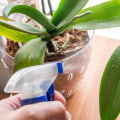
- Watering Techniques: Adjusting your watering routine can also help maintain humidity. When you water your orchids, consider using room temperature water and misting the leaves lightly. This not only hydrates the plant but also adds moisture to the air around it.
- Indoor Fountains: If you're looking for a more decorative option, consider placing a small indoor fountain near your orchids. The moving water will naturally increase humidity levels while adding an aesthetic touch to your space.
Remember that maintaining proper humidity is crucial for their health and blooming potential, so experiment with these methods to find what works best for your environment.
Common Mistakes When Using Humidifiers with Orchids
Using a humidifier can be a great way to maintain the ideal humidity levels for your orchids, but there are several common mistakes that can lead to problems. Understanding these pitfalls is essential for effective orchid care.- Ignoring Humidity Levels: One of the biggest mistakes is not monitoring the humidity levels. Orchids thrive in humidity levels between 40% and 70%. Using a humidifier without a hygrometer can result in either too much or too little moisture, both of which can harm your plants.
- Placement of the Humidifier: Placing the humidifier too close or too far from your orchids can create uneven humidity distribution.
Ideally, the humidifier should be positioned at a distance where it can evenly disperse moisture without directly soaking the plants.
- Using Tap Water: Many people make the mistake of using tap water in their humidifiers. Tap water often contains minerals and chemicals that can build up and damage your orchids over time. Instead, opt for distilled or rainwater to avoid these issues.
- Neglecting Regular Cleaning: Humidifiers can become breeding grounds for mold and bacteria if not cleaned regularly. This can lead to health issues for your orchids.
Make it a habit to clean your humidifier according to the manufacturer's instructions.
- Over-Reliance on Humidifiers: While humidifiers are helpful, relying solely on them without considering other environmental factors is a mistake. Ensure that you also provide adequate air circulation and light, as these are crucial for healthy orchid growth.
Frequently Asked Questions About Humidity and Orchids
When it comes to orchid care, understanding the role of humidity is crucial for the health and vitality of your plants. Here are some frequently asked questions regarding humidity and orchids:Can I use a humidifier for my orchids?
Yes, using a humidifier can be an effective way to increase humidity levels for your orchids, especially in dry environments.A humidifier can help maintain these levels, particularly during winter months when indoor air tends to be drier.
What type of humidifier is best for orchids?
Ultrasonic or cool-mist humidifiers are often recommended for orchid care. They produce a fine mist that can easily disperse in the air without overheating the plants. Avoid using warm-mist humidifiers, as they can raise the temperature around your orchids, which may not be ideal.How often should I run my humidifier?
The frequency of running your humidifier depends on the current humidity levels in your home. Ideally, you should monitor the humidity with a hygrometer and run the humidifier as needed to maintain optimal levels.In general, running it for several hours a day should suffice.
Are there other ways to increase humidity for orchids?
- Grouping plants: Placing orchids close together can create a microenvironment with higher humidity.
- Water trays: Setting pots on trays filled with pebbles and water can help increase local humidity.
- Misting: Lightly misting your orchids can provide temporary humidity boosts, but be cautious not to overdo it as this can lead to fungal issues.
Conclusion: The Importance of Humidity in Orchid Care
In conclusion, maintaining the right humidity levels is crucial for the health and vitality of your orchids. As we discussed, orchids thrive in environments with humidity levels between 40% and 70%. A humidifier can be an effective tool in achieving these conditions, especially in dry indoor environments.Using a humidifier not only helps to create a suitable atmosphere for your orchids but also reduces the risk of common issues such as leaf drop and root rot. However, it’s essential to monitor the humidity levels regularly to avoid over-humidifying, which can lead to fungal problems.Here are some key takeaways regarding the use of humidifiers and other methods to maintain humidity:- Choose the Right Humidifier: Opt for an ultrasonic or cool-mist humidifier that can effectively distribute moisture without overheating the air.
- Placement Matters: Position your humidifier near your orchids but ensure it’s not directly blowing on them to prevent water accumulation on leaves.
- Supplement with Other Methods: Consider using pebble trays filled with water or grouping plants together to naturally increase humidity levels.
- Regular Monitoring: Use a hygrometer to keep track of humidity levels and adjust your methods accordingly.
By understanding and implementing these orchid care tips, you can create an optimal environment that promotes healthy growth and stunning blooms.