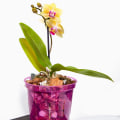
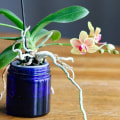
Orchids are renowned for their stunning beauty and intricate blooms, but maintaining their health can be a challenge for even the most dedicated plant enthusiasts. Understanding orchid health is crucial for ensuring that these delicate plants thrive in your care. Recognizing the signs of an unhealthy orchid is the first step in providing the necessary orchid care tips to restore its vitality and beauty. Many factors can contribute to an orchid's decline, including improper watering, inadequate light, and pest infestations. By familiarizing yourself with the common indicators of distress, such as yellowing leaves, wilting flowers, or stunted growth, you can take proactive measures to address these issues before they escalate.
This knowledge not only enhances your ability to nurture your orchids but also deepens your appreciation for their unique needs. In this section, we will explore the various signs that indicate your orchid may be struggling. By learning to identify these symptoms early on, you can implement effective orchid care tips tailored to your plant's specific requirements. Whether you're a seasoned grower or a novice, understanding the health of your orchids is essential for cultivating a thriving collection that brings joy and beauty to your space.
Common Signs of Unhealthy Orchids
Identifying the signs of an unhealthy orchid is crucial for effective orchid care. Here are some common indicators that your orchid may be struggling:- Leaf Discoloration: One of the first signs of an unhealthy orchid is leaf discoloration.
Healthy orchid leaves are typically a vibrant green. If you notice yellowing leaves, it could indicate overwatering or nutrient deficiencies. Conversely, dark spots or browning edges may suggest underwatering or exposure to direct sunlight.
- Wilting: Wilting is another clear sign that your orchid is not thriving. If the leaves appear limp and droopy, it may be due to insufficient water or root problems.
Check the moisture level of the potting medium to determine if it needs watering.
- Root Issues: Healthy roots are usually firm and white or green in color. If you see brown, mushy roots, this is a sign of root rot, often caused by overwatering. Inspect the roots by gently removing the plant from its pot; if they are unhealthy, consider repotting in fresh medium.
- Pest Infestation: Look for signs of pests such as aphids, mealybugs, or spider mites. These can cause significant damage to your orchid's health.
Sticky residue on leaves or visible insects are clear indicators of an infestation.
Leaf Discoloration: What It Means
One of the most common signs of an unhealthy orchid is leaf discoloration. This can manifest in various ways, including yellow leaves and brown spots on the foliage. Understanding the underlying causes of these issues is crucial for effective orchid care.Yellow Leaves
When you notice your orchid's leaves turning yellow, it can indicate several problems:- Overwatering: Excess moisture can lead to root rot, which in turn causes leaves to yellow. Ensure that your orchid's pot has proper drainage and allow the medium to dry out between waterings.
- Underwatering: Conversely, if your orchid is not receiving enough water, the leaves may also yellow and become limp.
Check the potting medium; if it feels dry, it’s time to water.
- Pests or Disease: Infestations from pests like aphids or diseases such as fungal infections can also cause yellowing. Inspect your plant closely for any signs of pests or unusual spots.
Brown Spots on Orchids
Browning spots on orchid leaves can be alarming and are often a sign of stress:- Sunburn: If your orchid is exposed to direct sunlight for prolonged periods, it may develop brown spots. Move your plant to a location with filtered light.
- Nutrient Deficiency: A lack of essential nutrients, particularly potassium, can lead to brown spots. Consider using a balanced fertilizer specifically formulated for orchids.
- Fungal Infections: Dark brown or black spots may indicate a fungal issue.
If this is the case, remove affected leaves and treat the plant with a suitable fungicide.
Wilting and Drooping: Causes and Solutions
When it comes to orchid care tips, recognizing the signs of an unhealthy orchid is crucial for its recovery. One of the most common indicators of distress in orchids is wilting and drooping leaves. Understanding the underlying causes can help you take effective action.Causes of Wilting and Drooping:
- Underwatering: If your orchid is not receiving enough water, it will begin to droop as it struggles to maintain hydration.
- Overwatering: Conversely, too much water can lead to root rot, which prevents the plant from absorbing necessary nutrients and moisture.
- Low Humidity: Orchids thrive in humid environments.
A lack of humidity can cause leaves to wilt and droop.
- Pests or Disease: Infestations or infections can weaken the plant, leading to visible signs of distress.
Solutions for Reviving Wilting Orchids:
- Check Watering Schedule: Ensure you are watering your orchid appropriately. A good rule of thumb is to water when the top inch of soil feels dry.
- Improve Drainage: Make sure your pot has adequate drainage holes. If you suspect overwatering, consider repotting in fresh, well-draining medium.
- Increase Humidity: Use a humidity tray or a room humidifier to create a more suitable environment for your orchid.
- Inspect for Pests: Regularly check your plant for signs of pests like aphids or mealybugs. Treat infestations promptly with insecticidal soap or neem oil.
Remember, consistent monitoring and care are key components of successful orchid care.
Root Health: Signs of Trouble Below the Surface
Understanding the health of your orchid's roots is crucial for maintaining a thriving plant.Root rot
is one of the most common issues that can affect orchids, often caused by overwatering or poor drainage. Recognizing the signs of unhealthy roots can help you take action before your plant suffers irreversible damage.Signs of Unhealthy Roots:
- Discoloration: Healthy orchid roots are typically green or silvery. If you notice dark brown or black roots, this may indicate rot.
- Softness: Gently squeeze the roots; healthy roots should feel firm.
If they are mushy or squishy, they are likely rotting.
- Foul Odor: A strong, unpleasant smell coming from the potting medium can signal decaying roots.
- Wilting Leaves: If your orchid's leaves are wilting despite adequate watering, it may be a sign that the roots are not functioning properly.
Healthy vs. Unhealthy Roots:
To ensure your orchid thrives, it's essential to differentiate between healthy and unhealthy roots. Healthy roots are usually firm and plump, with a vibrant color. In contrast, unhealthy roots may appear shriveled, discolored, or slimy.
Regularly inspecting your orchid's root system can help you catch problems early.
Root Care Tips for Orchids:
- Adequate Drainage: Always use a pot with drainage holes and a well-draining potting mix to prevent water accumulation.
- Watering Schedule: Water your orchids only when the top inch of the potting medium feels dry to the touch.
- Repotting: Consider repotting your orchid every 1-2 years to refresh the potting medium and inspect root health.
- Humidity Levels: Maintain appropriate humidity levels around your orchids, as low humidity can stress the roots.
Pests and Diseases: Identifying Infestations
Orchids, while stunning and exotic, can be susceptible to various pests and diseases that may compromise their health. Identifying these issues early is crucial for effective orchid care. Below are some common pests and diseases to watch for:- Mealybugs: These small, white, cotton-like insects often cluster in leaf joints and on flower spikes. They suck sap from the plant, leading to yellowing leaves and stunted growth.
- Scale Insects: Scale appears as small, brown or black bumps on stems and leaves.
They can cause leaf drop and weaken the plant significantly.
- Spider Mites: These tiny pests thrive in dry conditions and can cause stippling on leaves. Look for fine webbing; if present, it’s a sign of infestation.
- Fungus Gnats: These small flies are often found around the potting medium. Their larvae feed on roots, leading to root rot and poor nutrient uptake.
- Root Rot: Caused by overwatering or poor drainage, root rot leads to mushy roots and yellowing leaves. Ensure your potting mix is well-draining.
- Leaf Spot: This disease manifests as dark spots on leaves, often due to fungal infections.
Remove affected leaves and improve air circulation around the plant.
- Bacterial Soft Rot: This condition causes a foul smell and mushy tissue. It’s essential to remove infected parts immediately to prevent spread.
- Insecticidal Soap: Effective against soft-bodied insects like mealybugs and spider mites.
- Neem Oil: A natural pesticide that can help control various pests while being gentle on the plant.
- Cultural Practices: Maintain proper humidity levels, avoid overcrowding plants, and regularly inspect your orchids for early signs of trouble.
Environmental Factors Affecting Orchid Health
Understanding the environmental factors that affect your orchid's health is crucial for successful orchid care. Orchids are sensitive to their surroundings, and even slight changes can lead to signs of distress.Light Requirements for Orchids
One of the most critical aspects of orchid care is ensuring they receive the right amount of light. Most orchids thrive in bright, indirect sunlight.If your orchid is not getting enough light, you may notice:
- Pale or yellowing leaves
- Stunted growth
- Failure to bloom
Humidity Levels for Orchids
Orchids generally prefer higher humidity levels, ideally between 40% and 70%. Low humidity can cause leaf tips to turn brown and dry out. To maintain optimal humidity:- Use a humidity tray filled with water and pebbles beneath the pot.
- Mist the leaves regularly, especially during dry seasons.
- Group your orchids together to create a microclimate.
Temperature Considerations
The temperature in which your orchids are kept also plays a significant role in their overall health.Most orchids prefer daytime temperatures between 70°F and 85°F and slightly cooler nights. Extreme temperature fluctuations can stress your plants, leading to:
- Leaf drop
- Poor flowering
- Increased susceptibility to pests and diseases
Best Orchid Care Tips for Healthy Growth
To ensure your orchids thrive, following orchid care tips is essential. One of the most critical aspects of orchid care is understanding their watering needs.Unlike many houseplants, orchids prefer to dry out between waterings. A good rule of thumb is to water your orchids every 1-2 weeks, depending on the humidity and temperature of your environment. Always check the potting medium; if it feels dry to the touch, it’s time to water.When watering, it’s important to use room temperature water and to water thoroughly, allowing excess water to drain out of the pot. This prevents root rot, a common issue in orchids.
Additionally, consider using a pot with drainage holes to facilitate proper water flow.
Fertilizing Orchids Properly
Another vital aspect of orchid care is fertilization. Orchids benefit from a balanced fertilizer specifically formulated for them. During the growing season (spring and summer), fertilize your orchids every two weeks with a diluted solution. In the fall and winter months, reduce fertilization to once a month as the plants enter dormancy.- Use a balanced fertilizer: Look for a formula with equal parts nitrogen, phosphorus, and potassium (e.g., 30-10-10).
- Avoid over-fertilizing: Too much fertilizer can lead to salt buildup in the potting medium, harming the roots.
- Flush the potting medium: Every few months, flush your orchid’s potting medium with plain water to remove any excess salts.
Remember that each orchid species may have specific needs, so always research the particular requirements for your type of orchid.
Frequently Asked Questions About Orchid Health
Understanding the health of your orchid is crucial for its longevity and beauty. Here are some frequently asked questions regarding orchid health that can help you identify and address common issues.What are the signs of an unhealthy orchid?
Several indicators can suggest that your orchid is not thriving:- Yellowing leaves: This often indicates overwatering or insufficient light.
- Wilting: A sign of underwatering or root rot.
- Brown tips: This can result from low humidity or too much direct sunlight.
- Pests: Look for visible insects or webbing on the leaves, which can harm your plant.
What are common orchid problems?
Orchids can face various challenges, including:- Root rot: Often caused by overwatering, leading to mushy roots.
- Leaf spots: These may indicate fungal infections or bacterial issues.
- Lack of blooms: This could be due to inadequate light or improper fertilization.
How can I revive an unhealthy orchid?
If you notice your orchid showing signs of distress, consider these steps to help revive it:- Assess watering habits: Ensure you are not over or under-watering. Allow the potting medium to dry out slightly between waterings.
- Check light conditions: Move your orchid to a location with bright, indirect sunlight.
- Treat pests: Use insecticidal soap or neem oil to eliminate any pests you find.
- Repot if necessary: If root rot is present, trim away damaged roots and repot in fresh medium.
Conclusion: Ensuring Your Orchid Thrives
In conclusion, ensuring your orchid thrives requires a keen eye and a commitment to regular monitoring. By understanding the signs of an unhealthy orchid, you can take proactive steps to address any issues before they escalate.Remember, healthy orchids are not just a result of luck; they require consistent care and attention.Throughout this article, we have discussed various indicators that your orchid may be struggling, such as:
- Yellowing leaves, which can indicate overwatering or nutrient deficiencies.
- Wilting flowers, suggesting dehydration or environmental stress.
- Brown spots on leaves, often a sign of fungal infections or sunburn.
- Stunted growth, which may point to inadequate light or poor soil conditions.
- Watering: Ensure you are watering appropriately based on the type of orchid and its environment.
- Lighting: Provide adequate light without exposing your plant to direct sunlight for prolonged periods.
- Nutrients: Use a balanced fertilizer during the growing season to promote healthy growth.
- Pest control: Regularly check for pests and treat them promptly to prevent infestations.