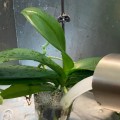
When it comes to orchid care, understanding the role of humidity is essential for ensuring these delicate plants thrive. Orchids are native to tropical environments where humidity levels are typically high, often ranging from 40% to 70%. This natural habitat influences their growth patterns, flowering cycles, and overall health. Therefore, replicating similar conditions in your home is crucial for successful orchid cultivation. Humidity affects various physiological processes in orchids, including water absorption and nutrient uptake.
When humidity levels are too low, orchids can suffer from dehydration, leading to wilting leaves and stunted growth. Conversely, excessive humidity can create a breeding ground for mold and pests, which can be detrimental to your plant's health. Understanding the balance of humidity is key to preventing these issues and promoting vibrant blooms. In this section, we will explore practical orchid care tips to help you assess and maintain the right humidity levels for your orchids. By learning how to monitor humidity effectively, you can create an optimal environment that mimics their natural habitat, ensuring your orchids not only survive but flourish.
Signs Your Orchid Needs More Humidity
Understanding the signs of low humidity in your orchid is crucial for maintaining its health and vibrancy.Orchids thrive in environments with higher humidity levels, typically between 40% and 70%. When the humidity drops below this range, your orchid may exhibit several distress signals.
- Curling Leaves: One of the most noticeable signs that your orchid is not getting enough humidity is curling leaves. If you observe that the edges of the leaves are curling inward or becoming crispy, it’s a clear indication that your plant is struggling to retain moisture.
- Flower Drop: Another alarming sign is when your orchid begins to drop its flowers prematurely. This can happen when the plant is stressed due to low humidity levels.
If you notice flowers falling off before they fully bloom, it’s time to assess your humidity conditions.
- Wrinkled Pseudobulbs: For orchids with pseudobulbs, such as Cattleyas, wrinkling can indicate dehydration caused by insufficient humidity. Healthy pseudobulbs should be firm and plump; if they appear shriveled, it’s a sign that your orchid needs more moisture in the air.
- Brown Leaf Tips: If you see brown tips on the leaves, this can also signal low humidity. While browning can be caused by other factors like over-fertilization or direct sunlight, it often indicates that the air around your orchid is too dry.
By addressing these signs early on, you can help ensure your orchid remains healthy and continues to thrive.
Ideal Humidity Levels for Different Orchid Species
Understanding the ideal humidity levels for different orchid species is crucial for their health and growth. Orchids thrive in environments that mimic their natural habitats, which often feature high humidity. Here’s a breakdown of the humidity requirements for some popular orchid types:- Phalaenopsis Orchids: These are among the most common orchids and prefer humidity levels between 50% and 70%. They can tolerate lower humidity but will benefit from regular misting or a humidity tray.
- Cattleya Orchids: Cattleyas enjoy slightly lower humidity, ideally around 40% to 60%.
They are more tolerant of drier conditions compared to other orchids, making them suitable for beginners.
- Dendrobium Orchids: These orchids thrive in 50% to 70% humidity. During their growing season, maintaining higher humidity is essential to support their vigorous growth.
- Oncidium Orchids: Oncidiums prefer a humid environment, ideally between 50% and 70%. They benefit from increased humidity during their blooming period to promote flower development.
- Phragmipedium Orchids: Known for their unique flowers, Phragmipediums require high humidity levels of around 60% to 80%. They thrive in consistently moist conditions, so regular watering and misting are essential.
Additionally, placing your orchids on a pebble tray filled with water or using a humidifier can help maintain the desired humidity levels. Remember that different species may have varying needs, so always tailor your orchid care tips based on the specific type of orchid you own.
How to Measure Humidity Levels in Your Home
To ensure your orchids thrive, it's essential to monitor the humidity levels in your home. Here are some effective methods and tools to measure humidity accurately:- Use a Hygrometer: A hygrometer is a specialized device designed to measure humidity levels. You can find both analog and digital hygrometers at garden centers or online.
For the best results, place the hygrometer near your orchids and check the readings regularly.
- DIY Methods: If you don't have a hygrometer, you can use simple DIY methods. One popular technique involves placing a small bowl of water in the vicinity of your orchids. If the water evaporates quickly, it indicates low humidity. Conversely, if condensation forms on the bowl, humidity levels are likely adequate.
- Observe Your Orchids: Sometimes, your orchids can provide clues about humidity levels.
If the leaves appear shriveled or wrinkled, it may indicate insufficient moisture in the air. On the other hand, if you notice mold or fungal growth on the leaves or potting medium, it could mean that humidity is too high.
Effective Ways to Increase Humidity for Orchids
Creating the right humidity levels for your orchids is essential for their health and growth.Here are some effective ways to increase humidity around your plants:
- Humidity Trays: One of the simplest methods to boost humidity is by using humidity trays. Fill a shallow tray with pebbles and add water until it just covers the pebbles. Place your orchid pot on top of the pebbles, ensuring that the pot does not sit directly in the water. As the water evaporates, it will create a humid microclimate around your orchid.
- Misting: Regularly misting your orchids can also help maintain adequate humidity levels.
Use a spray bottle to lightly mist the leaves and surrounding air. However, be cautious not to overdo it; excessive moisture on the leaves can lead to fungal issues. Aim to mist in the morning so that any excess moisture can evaporate throughout the day.
- Grouping Plants: If you have multiple orchids or other houseplants, consider grouping them together. Plants naturally release moisture through a process called transpiration, which can help increase humidity in their immediate environment.
- Using a Humidifier: For those living in particularly dry climates or during winter months, investing in a humidifier can be beneficial.
Set it up near your orchids to maintain consistent humidity levels, ideally between 40% and 70%.
- Water Features: Incorporating small water features like fountains or aquariums can also enhance humidity levels in your home. The evaporation from these sources will contribute to a more humid atmosphere.
Common Mistakes in Orchid Humidity Care
When it comes to orchid care, maintaining the right humidity levels is crucial for the health of your plants. However, many orchid owners make common mistakes that can lead to inadequate humidity or even harm their orchids.Overwatering Orchids
One of the most frequent errors is overwatering. While orchids thrive in humid environments, excessive moisture can lead to root rot.It's essential to find a balance; ensure that your orchid's potting medium is moist but not soggy. A good rule of thumb is to water your orchids when the top inch of the medium feels dry to the touch.
Using Humidifiers Incorrectly
Another common pitfall is the improper use of humidifiers. Many orchid enthusiasts believe that simply placing a humidifier in the same room as their orchids will suffice. However, it's important to position the humidifier close enough to the plants to ensure they receive adequate moisture.Additionally, avoid placing your orchids directly in the path of a cold draft from the humidifier, as this can create an unstable environment.
Ignoring Environmental Factors
Many orchid owners overlook other environmental factors that can affect humidity levels. For instance, placing orchids near heating vents or air conditioning units can drastically reduce humidity. Instead, consider using a humidity tray filled with water and pebbles beneath your orchids to help maintain moisture levels without overwatering.By being aware of these common mistakes and taking proactive steps, you can create an optimal environment for your orchids to flourish. Remember, humidity is just one aspect of orchid care, but it plays a vital role in their overall health and blooming potential.Frequently Asked Questions About Orchid Humidity
Understanding the humidity needs of your orchids is crucial for their health and vitality.Here are some frequently asked questions regarding orchid humidity:
- What is the ideal humidity level for orchids?
Most orchids thrive in humidity levels between 40% and 70%. However, specific species may have different requirements, so it’s essential to research the particular type of orchid you own. - How can I measure humidity for my orchids?
Using a hygrometer is the most accurate way to measure humidity levels in your home. Place it near your orchids to get a precise reading. - What are some signs that my orchid needs more humidity?
If you notice leaf tips turning brown or crispy, or if the leaves appear shriveled, these could be signs that your orchid is not receiving enough moisture in the air. - Can I use a humidifier for my orchids?
Yes, a humidifier can be an excellent way to maintain consistent humidity levels. Just ensure it’s placed at a safe distance from the plants to avoid waterlogging. - Are there any myths about orchid humidity?
One common myth is that all orchids require high humidity.While many do prefer it, some varieties, like Cattleyas, can tolerate lower humidity levels. Always check the specific needs of your orchid species.
Conclusion: Mastering Humidity for Healthy Orchids
In conclusion, understanding and managing humidity is crucial for the health and vitality of your orchids. As we have discussed, orchids thrive in environments where humidity levels are consistently maintained between 40% and 70%.This range not only supports their natural habitat but also promotes optimal growth and blooming. To ensure your orchids receive adequate humidity, consider implementing the following orchid care tips:
- Use a Humidity Tray: Placing your orchids on a tray filled with water and pebbles can help increase the moisture in the air around them.
- Regular Misting: Lightly misting your orchids can provide a quick boost in humidity, especially during dry seasons.
- Group Orchids Together: By clustering your plants, you create a microenvironment that retains moisture better than isolated pots.
- Monitor Humidity Levels: Invest in a hygrometer to keep track of the humidity in your growing area, allowing you to make adjustments as needed.