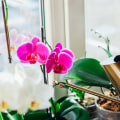
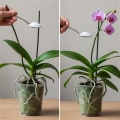
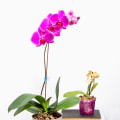
Understanding the light requirements of orchids is essential for any enthusiast looking to cultivate these beautiful plants successfully. Orchids are unique in their need for light, as they thrive in bright, indirect sunlight. This means that while they do require a good amount of light to flourish, direct sunlight can be detrimental, leading to leaf burn and other issues. The ideal light conditions mimic their natural habitat, where they often grow in the dappled light of trees in tropical forests. Natural light plays a significant role in the growth and blooming of orchids.
It influences not only their photosynthesis but also their overall health and vigor. When placed near a window, it’s crucial to monitor how much light your orchids receive throughout the day. South-facing windows typically provide the most consistent light, while east-facing windows offer gentler morning sun that many orchids appreciate. However, during the peak summer months, even these windows may need some form of shading to prevent overheating. For those who may not have access to optimal natural light conditions, using a grow light can be an excellent solution.
Grow lights can supplement or even replace natural light, providing the specific wavelengths that orchids need for photosynthesis. They come in various types, including LED and fluorescent options, each with its own benefits. By understanding how to effectively use grow lights alongside natural light, you can create an ideal environment for your orchids to thrive and bloom beautifully.
The Importance of Supplementing Natural Light
While natural light is essential for the health of your orchids, it may not always provide the optimal conditions needed for their growth. Factors such as seasonal changes, geographical location, and even the orientation of your windows can significantly affect the amount of light your orchids receive.In many cases, especially during the winter months or in regions with limited sunlight, relying solely on natural light can lead to stunted growth and poor flowering.Using grow lights can be a game-changer for orchid enthusiasts. These artificial lights can mimic the spectrum of sunlight that orchids thrive on, ensuring they receive adequate light even when natural sources are lacking. Here are some reasons why incorporating grow lights into your orchid care tips is beneficial:
- Consistent Light Levels: Grow lights provide a stable and consistent light source, which is crucial for maintaining healthy growth cycles.
- Customizable Light Spectrum: Different types of grow lights offer various spectrums that can be tailored to meet the specific needs of your orchids, promoting better photosynthesis.
- Extended Growing Seasons: With grow lights, you can extend the growing season for your orchids, allowing them to thrive year-round regardless of external weather conditions.
- Improved Flowering: Adequate lighting is vital for blooming; using grow lights can enhance flower production and quality.
By understanding these needs and supplementing with grow lights accordingly, you can create an ideal environment that fosters healthy growth and vibrant blooms.In conclusion, while natural light is important, it often falls short in providing the necessary conditions for optimal orchid health. By integrating grow lights into your care routine, you can ensure that your orchids receive the right amount of light throughout the year, leading to robust growth and stunning flowers.
Types of Grow Lights Suitable for Orchids
When it comes to orchid care tips, understanding the different types of grow lights available can significantly enhance your orchids' growth and blooming potential. Here are the most common types of grow lights suitable for orchids:- LED Grow Lights: LED lights are becoming increasingly popular among orchid enthusiasts due to their energy efficiency and long lifespan. They emit a full spectrum of light, which is beneficial for photosynthesis.
Additionally, LEDs produce less heat, reducing the risk of overheating your orchids. However, they can be more expensive upfront compared to other options.
- Fluorescent Grow Lights: Fluorescent lights are another excellent choice for growing orchids. They are available in various sizes and spectrums, making them versatile for different orchid species. These lights are relatively inexpensive and provide a good amount of light without generating excessive heat.
However, they may need to be replaced more frequently than LEDs.
- Incandescent Grow Lights: While not commonly recommended for orchids, incandescent bulbs can be used in a pinch. They are inexpensive and easy to find but are less efficient than other types. They emit a lot of heat, which can be detrimental to orchids if placed too close.
On the other hand, if you're looking for a long-term investment with lower energy costs, LEDs might be the better option. Ultimately, the best grow lights for orchids will depend on your specific growing conditions and the types of orchids you are cultivating. By understanding the advantages and disadvantages of each type of grow light, you can make an informed decision that supports healthy orchid growth.
How to Properly Use Grow Lights with Orchids
Using grow lights can significantly enhance your orchid care routine, especially when natural light is insufficient. Here are some practical tips on how to effectively use grow lights with your orchids.Grow Light Placement
Placement of your grow lights is crucial for optimal growth. Here are some guidelines:- Distance: Position the grow light about 12 to 24 inches above the orchids.
This distance helps prevent leaf burn while providing adequate light intensity.
- Angle: Angle the lights to ensure even coverage across all plants. This prevents any one side from receiving too much light while the other side remains in shadow.
- Rotation: Rotate your orchids every few weeks to ensure all sides receive equal light exposure, promoting balanced growth.
Duration of Exposure
The duration of light exposure is another critical factor. Orchids typically require:- 12-16 hours: Most orchids thrive with 12 to 16 hours of light per day. Use a timer to maintain consistency.
- Dark Period: Ensure they have a dark period of at least 8 hours to mimic natural conditions, which is essential for their growth cycle.
Light Intensity
The intensity of the grow light also plays a vital role in orchid health:- LED vs.
Fluorescent:
LED lights are energy-efficient and produce less heat, making them ideal for orchids. Fluorescent lights can also work well but may require closer monitoring of heat levels. - Color Spectrum: Choose grow lights that provide a full spectrum, including blue and red wavelengths, as these are most beneficial for photosynthesis and flowering.
Common Mistakes When Using Grow Lights for Orchids
When using grow lights to supplement natural light for your orchids, it's crucial to avoid common mistakes that can hinder their growth and health. Here are some pitfalls to watch out for:- Incorrect Light Spectrum: Not all grow lights are created equal.
Orchids thrive under specific light spectrums, particularly in the blue and red wavelengths. Using lights that emit a broad spectrum may not provide the targeted energy your orchids need.
- Improper Distance: Placing grow lights too close or too far from your orchids can lead to issues. If the lights are too close, they can cause leaf burn; if too far, your orchids may not receive adequate light. A good rule of thumb is to keep the lights 12-24 inches away, depending on the type of bulb used.
- Inconsistent Light Duration: Orchids require a consistent light schedule to thrive.
Many growers make the mistake of varying the duration of light exposure. Aim for 12-14 hours of light per day, mimicking natural sunlight patterns.
- Neglecting Heat Output: Some grow lights generate significant heat, which can stress your orchids. Monitor the temperature around your plants and ensure it remains within a comfortable range (65-75°F) to prevent overheating.
- Ignoring Plant Response: Every orchid species has unique light requirements. Pay attention to how your plants respond to the grow lights.
Yellowing leaves may indicate too much light, while dark green leaves could suggest insufficient light.
Frequently Asked Questions About Grow Lights and Orchids
When it comes to orchid care, many enthusiasts have questions about the use of grow lights. Here are some common queries and their answers:- Can I use a grow light instead of natural sunlight?
Yes, you can use a grow light to supplement natural sunlight. Orchids typically require bright, indirect light, and a grow light can help provide the necessary illumination, especially during the shorter days of winter. - What type of grow light is best for orchids?
LED grow lights are often recommended for orchids due to their energy efficiency and low heat output.Look for full-spectrum lights that mimic natural sunlight to promote healthy growth.
- How long should I run my grow light?
Most orchids benefit from 12 to 14 hours of light per day. You can use a timer to ensure consistent lighting, which is crucial for their growth cycle. - Do I need to adjust my watering schedule when using grow lights?
Yes, using grow lights can increase the temperature and evaporation rate in your growing area. Monitor the moisture level in your orchid's potting medium and adjust your watering schedule accordingly. - Can too much light harm my orchids?
Absolutely. While orchids need bright light, too much direct light can lead to leaf burn.If you notice yellowing leaves or brown spots, it may be a sign that your orchids are receiving too much light.
Conclusion: Maximizing Orchid Health with Grow Lights
In conclusion, utilizing grow lights as a supplement to natural light can significantly enhance your orchid care routine. By understanding the specific light requirements of your orchids and choosing the right type of grow light, you can create an optimal environment that promotes healthy growth and vibrant blooms.Here are some key takeaways to remember:- Light Requirements: Different orchid species have varying light needs. Always research the specific requirements for your orchids to ensure they receive adequate light.
- Type of Grow Light: LED grow lights are often recommended due to their energy efficiency and ability to provide the full spectrum of light that orchids thrive on.
- Duration of Light Exposure: Orchids typically require 12-14 hours of light per day.
Use a timer to maintain consistent lighting schedules, especially during shorter winter days.
- Distance from Plants: Position your grow lights at an appropriate distance from your orchids to prevent leaf burn while ensuring they receive enough light.
- Monitoring Plant Health: Regularly check your orchids for signs of stress or inadequate lighting, such as leggy growth or yellowing leaves, and adjust your lighting setup accordingly.