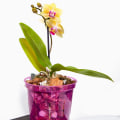
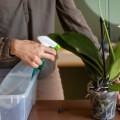
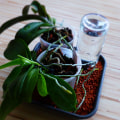
Orchids are among the most diverse and captivating plants in the world, boasting over 25,000 species and countless hybrids. Native to tropical and subtropical regions, these stunning flowers thrive in environments that mimic their natural habitats—warm temperatures, high humidity, and filtered light. Understanding the needs of orchids is crucial for any enthusiast looking to cultivate these beautiful plants successfully. When it comes to orchid care, several factors come into play, including light, temperature, humidity, and watering. Orchids generally prefer bright, indirect sunlight and temperatures ranging from 65°F to 75°F during the day.
However, they can tolerate slightly higher temperatures during the summer months if provided with adequate moisture and shade. This is where the question of keeping orchids outside during summer arises. Summer can be an ideal time for many orchid varieties to flourish outdoors, as long as their specific requirements are met. Proper summer orchid care involves ensuring that they are not exposed to harsh direct sunlight for prolonged periods, which can scorch their leaves. Additionally, maintaining humidity levels and protecting them from strong winds or heavy rain is essential for their health.
By understanding these fundamental needs, you can create an optimal environment for your orchids to thrive during the warmer months.
Can You Keep Orchids Outside in Summer?
When considering keeping orchids outside during the summer months, it’s essential to understand the specific needs of these delicate plants. Orchids thrive in conditions that mimic their natural habitats, which often include warm temperatures, high humidity, and filtered light. However, not all outdoor environments are suitable for every type of orchid.Temperature
is a critical factor. Most orchids prefer daytime temperatures between 70°F and 85°F (21°C to 29°C) and nighttime temperatures around 60°F to 70°F (15°C to 21°C).
If your area experiences extreme heat or sudden temperature drops at night, it may be best to keep your orchids indoors.Another important aspect is humidity. Orchids generally require humidity levels of 40% to 70%. If you live in a dry climate, consider using a humidity tray or misting your orchids regularly to maintain adequate moisture levels. Conversely, if you live in a humid area, ensure that there is good air circulation around your plants to prevent mold and rot.
Light conditions
also play a vital role in outdoor orchid care.
While orchids need bright light, direct sunlight can be harmful. A location that receives filtered sunlight, such as under a tree canopy or on a shaded patio, is ideal. Monitor your orchids for signs of too much sun exposure, such as yellowing leaves or sunburned spots.Here are some outdoor orchid tips to keep in mind:
- Acclimate gradually: If moving orchids outside for the first time, do so gradually over a week to help them adjust.
- Check for pests: Regularly inspect your orchids for pests like aphids or spider mites that can thrive outdoors.
- Water appropriately: Water your orchids early in the morning to allow excess moisture to evaporate before evening.
- Bring them inside: If temperatures drop below 50°F (10°C) at night, it’s best to bring your orchids back indoors.
Ideal Conditions for Outdoor Orchids
When considering orchid care tips for outdoor placement during the summer months, understanding the ideal conditions is crucial for the health and vitality of your orchids.Orchids thrive in environments that closely mimic their natural habitats, which often include warm temperatures and high humidity.
Temperature Ranges
The ideal temperature for orchids when placed outdoors typically ranges between 65°F to 85°F (18°C to 29°C) during the day. At night, temperatures can drop to around 60°F (15°C). It’s important to monitor these temperatures closely, as extreme heat or cold can stress the plants and hinder their growth. If temperatures exceed 90°F (32°C), consider providing some shade to prevent leaf burn and dehydration.Humidity Levels
Orchids generally prefer a humidity level of around 50% to 70%.To maintain these levels outdoors, you can:
- Mist your orchids regularly, especially during hot days.
- Group your orchids together; this creates a microclimate that retains moisture.
- Use humidity trays, filled with water and pebbles, beneath your pots to increase local humidity.
Choosing the Right Location for Your Orchids
When considering orchid care tips for the summer months, selecting the right outdoor location is crucial for the health and vitality of your orchids.The ideal spot should balance sunlight exposure and protection from harsh weather conditions.
Best Location for Orchids Outside
- Partial Shade: Most orchids thrive in bright, indirect light. A location that receives morning sun and afternoon shade is often ideal. This helps prevent leaf burn while still providing enough light for growth.
- Under Trees or Canopies: Placing your orchids under a tree or a canopy can offer natural shade. Just ensure that they still receive filtered sunlight, as too much shade can hinder blooming.
- Patios or Balconies: If you have a patio or balcony, these areas can be excellent for orchids.
They often provide a controlled environment where you can monitor sunlight and temperature more easily.
Sunlight for Orchids
Orchids generally prefer bright but indirect sunlight. Direct sunlight, especially during the peak hours of the day, can scorch their delicate leaves. To gauge if your orchids are getting the right amount of light, observe their leaves:
- If the leaves are dark green, they may not be receiving enough light.
- If they are yellowing or showing signs of sunburn (brown spots), they may be getting too much direct sunlight.
Shade for Orchids
While orchids need light, they also require periods of shade to thrive. During particularly hot summer days, consider moving them to a shadier spot or using shade cloth to protect them from intense heat.
This will help maintain optimal humidity levels and prevent stress on the plants.In summary, finding the right balance of sunlight and shade is essential for successful outdoor orchid care during the summer months. By carefully selecting their location, you can ensure your orchids flourish in their outdoor environment.
Watering and Fertilizing Outdoor Orchids
When it comes to watering orchids outside during the summer months, understanding the specific needs of your orchid species is crucial. Most orchids thrive in warm weather, but they also require consistent moisture to prevent dehydration. Here are some essential tips for watering:- Frequency: Water your outdoor orchids at least once a week, but this may vary depending on the humidity and temperature.
In particularly hot or dry conditions, you may need to water them more frequently.
- Time of Day: The best time to water is early in the morning. This allows the water to soak into the roots before the heat of the day causes evaporation.
- Watering Method: Use a gentle spray or a watering can with a fine spout to avoid damaging the delicate flowers and leaves. Ensure that water reaches the roots without pooling in the pot.
Here are some fertilization tips:
- Type of Fertilizer: Use a balanced fertilizer specifically formulated for orchids, typically with an N-P-K ratio of 30-10-10 or similar. This ensures they receive adequate nutrients.
- Frequency of Feeding: Fertilize your outdoor orchids every two weeks during the growing season. Dilute the fertilizer to half strength to avoid over-fertilization, which can harm your plants.
- Watering After Fertilizing: Always water your orchids after applying fertilizer. This helps distribute the nutrients evenly and prevents root burn.
Pest and Disease Management for Outdoor Orchids
When keeping your orchids outside during the summer months, it's crucial to be vigilant about pests and diseases that can threaten their health.Here are some common issues to watch for and effective management strategies.
Common Orchid Pests
- Aphids: These small, soft-bodied insects can cluster on new growth and flower buds, sucking sap and causing distortion. Regularly inspect your orchids and wash them with a strong stream of water to dislodge these pests.
- Mealybugs: Identified by their white, cottony appearance, mealybugs can weaken your orchids significantly. Use a cotton swab dipped in alcohol to remove them or apply insecticidal soap for larger infestations.
- Spider Mites: These tiny arachnids thrive in hot, dry conditions. Look for fine webbing on the undersides of leaves.
Increase humidity around your orchids and spray them with water to control spider mite populations.
Outdoor Orchid Diseases
- Fungal Infections: Symptoms include yellowing leaves and black spots. Ensure good air circulation around your orchids and avoid overhead watering to minimize fungal growth.
- Bacterial Soft Rot: This disease causes mushy, water-soaked areas on leaves and stems. Remove affected parts immediately and avoid watering in the evening to reduce humidity levels at night.
- Powdery Mildew: A white powdery substance on leaves indicates this fungal disease. Improve air circulation and apply fungicides as needed to manage outbreaks.
This includes regular monitoring, maintaining optimal growing conditions, and using organic or chemical treatments when necessary. By staying proactive, you can ensure your outdoor orchids remain healthy and vibrant throughout the summer months.
Signs Your Orchid is Not Thriving Outdoors
When moving your orchid outdoors for the summer, it’s essential to monitor its health closely. Several signs can indicate that your orchid is not thriving in its new environment. Recognizing these symptoms early can help you troubleshoot and implement effective orchid care tips.- Wilting Leaves: If the leaves of your orchid appear limp or droopy, it may be a sign of insufficient water or extreme heat.
Ensure that the potting medium is adequately moist but not soggy.
- Yellowing Leaves: Yellow leaves can indicate overwatering or nutrient deficiencies. Check the roots for rot and consider fertilizing with a balanced orchid fertilizer.
- Leaf Spots: Dark spots or patches on the leaves may suggest fungal infections or sunburn. If you notice this, move your orchid to a shadier location and treat with an appropriate fungicide.
- Stunted Growth: If your orchid is not producing new growth or flowers, it may be stressed due to environmental factors. Evaluate its exposure to sunlight and temperature fluctuations.
- Pest Infestation: Look for signs of pests such as aphids, mealybugs, or spider mites.
These can weaken your plant significantly. Use insecticidal soap or neem oil to manage infestations.
Bringing Orchids Indoors: When and How?
As summer draws to a close, it’s essential to prepare your orchids for their transition back indoors.This process is crucial for maintaining their health and ensuring they continue to thrive. Here are some indoor orchid care tips to help you make this transition smoothly.
When to Bring Orchids Indoors
- Monitor the temperature: Most orchids prefer temperatures between 65°F and 75°F during the day and slightly cooler at night. If nighttime temperatures start to drop below 60°F, it’s time to bring them inside.
- Watch for changes in light: As the days shorten, your orchids may not receive enough light outdoors. If you notice a decrease in blooming or growth, consider moving them indoors.
- Check for pests: Before bringing your orchids inside, inspect them thoroughly for any pests or diseases that may have developed while outside.
How to Transition Orchids Indoors
- Gradual Acclimatization: Start by bringing your orchids indoors for a few hours each day, gradually increasing the time they spend inside over a week.
This helps them adjust to the change in environment.
- Choose the Right Location: Place your orchids in a spot that receives bright, indirect light. Avoid direct sunlight, which can scorch their leaves.
- Maintain Humidity: Indoor air can be drier than outdoor conditions. Use a humidity tray or a room humidifier to keep humidity levels around 50-70%.
- Adjust Watering: Indoor conditions may require less frequent watering than outdoor settings. Check the moisture level of the potting medium before watering; it should be dry to the touch about an inch down.
Remember, proper care during this period is vital for their continued growth and blooming in the months ahead.
Frequently Asked Questions About Summer Orchid Care
When it comes to summer orchid care, many enthusiasts have questions about the best practices for keeping their orchids healthy while outdoors. Here are some frequently asked questions:- Can I place my orchids outside during the summer?
Yes, you can keep your orchids outside during the summer months, but it’s essential to ensure they are in a suitable environment. Look for a location that offers indirect sunlight and protection from harsh winds. - What temperature is ideal for orchids in summer?
Orchids thrive in temperatures between 70°F and 85°F during the day and slightly cooler at night. Avoid exposing them to temperatures above 90°F, as this can stress the plants. - How often should I water my orchids when they are outside?
Watering frequency can increase in summer due to higher temperatures and increased evaporation.Check the potting medium; if it feels dry an inch below the surface, it’s time to water. Typically, watering once a week is sufficient, but adjust based on your specific conditions.
- Should I fertilize my orchids while they are outside?
Yes, summer is an excellent time to fertilize your orchids. Use a balanced fertilizer every two weeks to promote healthy growth and blooming. Make sure to dilute it according to package instructions. - What pests should I watch out for?
While outdoors, orchids can attract pests like aphids, spider mites, and mealybugs.Regularly inspect your plants and treat any infestations promptly with insecticidal soap or neem oil.
Conclusion: Key Takeaways for Summer Orchid Care
In conclusion, ensuring the health and vitality of your orchids during the summer months requires careful attention to their specific needs. Here are the key takeaways for effective orchid care when keeping them outdoors:- Temperature Management: Orchids thrive in warm temperatures, but extreme heat can be detrimental. Aim to keep them in a location where temperatures remain between 65°F and 85°F.
- Light Exposure: While orchids enjoy bright light, direct sunlight can scorch their leaves.
Consider placing them in a spot with filtered sunlight or partial shade during the hottest parts of the day.
- Watering Practices: Summer heat can lead to faster evaporation, so monitor your orchids closely. Water them thoroughly but allow the potting medium to dry slightly between waterings to prevent root rot.
- Humidity Levels: Orchids prefer higher humidity levels. If your outdoor environment is dry, consider misting your plants or using a humidity tray to maintain optimal moisture.
- Pest Control: Keep an eye out for pests that may thrive in warm weather. Regularly inspect your orchids and treat any infestations promptly with appropriate organic solutions.
Remember, each orchid species may have unique requirements, so always tailor your care approach to suit their specific needs.