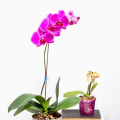
Understanding your orchid's watering needs is crucial for maintaining its health and vibrancy. Orchids, while stunning and exotic, can be quite sensitive to their watering conditions.
Proper watering
is one of the most significant aspects of orchid care, as both overwatering and underwatering can lead to serious issues, including root rot or dehydration. Knowing how to water orchids effectively requires a keen observation of their specific needs and environmental conditions. To determine whether your orchid needs more or less water, it’s essential to familiarize yourself with the signs of overwatering and underwatering.Overwatered orchids often exhibit yellowing leaves, mushy roots, and a general decline in vigor. Conversely, if your orchid's leaves are shriveled or wrinkled, it may be a sign that it is not receiving enough moisture. By learning to recognize these symptoms, you can adjust your watering routine accordingly. Additionally, factors such as the type of orchid, potting medium, and environmental conditions like humidity and temperature play a significant role in determining how often you should water. For instance, orchids potted in bark may require more frequent watering than those in sphagnum moss.
By understanding these nuances, you can create a tailored watering schedule that meets your orchid's unique needs.
Signs Your Orchid Needs More Water
Understanding when your orchid needs more water is crucial for its health and longevity. Here are some key signs that indicate your orchid may be thirsty:- Wrinkled Leaves: One of the most noticeable signs of an under-watered orchid is the appearance of wrinkled or shriveled leaves. This occurs when the plant is unable to absorb enough moisture, leading to dehydration.
- Dry Potting Medium: Check the potting medium; if it feels dry to the touch and has pulled away from the edges of the pot, it’s a clear indication that your orchid needs more water. The medium should be slightly moist but not soggy.
- Yellowing Leaves: While yellowing can also indicate overwatering, if it’s accompanied by dry conditions, it may suggest that your orchid is struggling due to lack of moisture.
- Flower Drop: If your orchid starts dropping its flowers prematurely, it could be a sign of stress from insufficient watering.
Healthy orchids typically retain their blooms for an extended period.
- Root Condition: Inspect the roots through the pot. Healthy roots are usually green or white and firm. If they appear brown and shriveled, this may indicate that the plant is not receiving enough water.
Regularly monitoring these indicators will help you maintain optimal orchid care, ensuring your plant thrives in its environment.
Signs Your Orchid Needs Less Water
Understanding when your orchid needs less water is crucial for its health and longevity. Overwatering can lead to a variety of issues, including root rot and fungal infections. Here are some signs of an overwatered orchid that you should watch for:- Yellowing Leaves: One of the most common indicators of overwatering is yellowing leaves. If the leaves start to turn yellow, especially at the base, it may be a sign that the roots are sitting in water and not getting enough oxygen.
- Soft or Mushy Roots: Healthy orchid roots should be firm and plump.
If you notice that the roots have become soft or mushy, this is a clear indication that they are overwatered.
- Wilting or Drooping Leaves: While wilting can also indicate underwatering, if your orchid's leaves are drooping and the potting medium is consistently wet, it’s likely due to excess moisture.
- Mold or Fungal Growth: The presence of mold on the surface of the potting medium or around the base of the plant is a strong sign that your orchid is receiving too much water.
- Root Discoloration: Healthy roots are typically green or silvery. If you see brown or black roots, this could indicate rot caused by overwatering.
Remember, proper orchid care tips emphasize the importance of monitoring your plant's environment and adjusting care accordingly.
Factors Influencing Watering Frequency
Understanding the factors influencing watering frequency is crucial for maintaining healthy orchids. Several elements come into play when determining how often to water your plants.Climate Impact on Orchids
The climate in which your orchids are grown significantly affects their watering needs. In warmer, drier conditions, orchids may require more frequent watering to prevent dehydration. Conversely, in cooler or more humid environments, the soil retains moisture longer, necessitating less frequent watering.Always monitor the temperature and humidity levels in your growing area to adjust your watering schedule accordingly.
Potting Medium for Orchids
The potting medium you choose plays a vital role in how quickly water is absorbed and retained. Common potting materials include bark, sphagnum moss, and coconut coir. For instance, bark-based mixes drain quickly and may require more frequent watering, while moss retains moisture longer, allowing for extended intervals between waterings. It's essential to select a medium that suits your orchid type and adjust your watering routine based on its properties.Orchid Type
Different orchid species have varying water requirements.For example, Phalaenopsis orchids thrive in a slightly drier environment compared to Cattleya orchids, which prefer consistently moist conditions. Researching the specific needs of your orchid type can help you tailor your care routine effectively.In summary, by considering the climate, potting medium, and orchid type, you can better determine how often to water your orchids. Regularly checking the moisture level of the potting medium and observing your plants will guide you in providing optimal care.
Best Practices for Watering Orchids
Watering orchids can be a delicate balance, and understanding the specific needs of your plant is crucial for its health. Here are some best practices for watering orchids that will help you maintain their vitality.- Know Your Orchid Type: Different orchid species have varying water requirements.
For instance, Phalaenopsis orchids prefer to dry out slightly between waterings, while Cattleya orchids like to be drier. Research your specific type to tailor your watering schedule.
- Check the Potting Medium: The medium in which your orchid is planted plays a significant role in how often you should water. Bark-based mixes retain moisture differently than sphagnum moss. Always check the moisture level of the medium before watering.
- Use the Right Watering Technique: When watering, it’s best to use room temperature water.
Water thoroughly until it drains out of the bottom of the pot, ensuring that all roots receive moisture. Avoid letting the plant sit in standing water, as this can lead to root rot.
- Observe Your Orchid: Pay attention to your orchid’s leaves and roots. If the leaves are wrinkled or shriveled, it may need more water. Conversely, yellowing leaves can indicate overwatering.
Adjust your watering routine based on these visual cues.
- Humidity Matters: Orchids thrive in humid environments. If you live in a dry climate, consider using a humidity tray or misting your plants occasionally to maintain adequate moisture levels in the air.
- Seasonal Adjustments: During the growing season (spring and summer), orchids typically require more frequent watering due to increased evaporation and growth rates. In contrast, reduce watering during the dormant months (fall and winter).
Common Mistakes in Orchid Watering
Watering orchids can be a delicate balance, and many orchid owners make common mistakes that can lead to poor plant health.Understanding these errors is crucial for effective orchid care.
- Overwatering: One of the most frequent mistakes is overwatering. Orchids thrive in well-draining media, and excess water can lead to root rot. Always check the moisture level of the potting medium before watering. A good rule of thumb is to allow the top inch of the medium to dry out before adding more water.
- Underwatering: Conversely, underwatering can also harm your orchid.
If the leaves appear wrinkled or shriveled, it may be a sign that your plant needs more water. Regularly assess your orchid's condition and adjust your watering schedule accordingly.
- Inconsistent Watering: Inconsistency can stress orchids. Establish a routine based on your specific environment, taking into account factors like humidity and temperature. Using a moisture meter can help you gauge when it's time to water.
- Ignoring Environmental Factors: Different species of orchids have varying water needs based on their native habitats.
For instance, tropical orchids may require more frequent watering than those from drier climates. Researching your specific orchid type will provide valuable insights into its watering requirements.
- Using Tap Water: Many tap waters contain chemicals like chlorine and fluoride that can be harmful to orchids. Consider using distilled or rainwater for optimal health.
Frequently Asked Questions About Orchid Watering
Watering orchids can be a source of confusion for many plant enthusiasts.Here are some frequently asked questions that can help clarify common concerns and misconceptions.
How often should I water my orchid?
The frequency of watering depends on several factors, including the type of orchid, the potting medium, and the environment. Generally, orchids should be watered every 1 to 2 weeks. A good rule of thumb is to check the potting medium; if it feels dry about an inch below the surface, it’s time to water.Can I use tap water for my orchids?
Yes, you can use tap water, but it’s best to let it sit out for 24 hours before using it. This allows chlorine and other chemicals to dissipate.Alternatively, using distilled or rainwater can be beneficial as they are free from additives.
What are the signs of overwatering?
- Yellowing leaves: If the leaves turn yellow and soft, this may indicate that your orchid is receiving too much water.
- Root rot: Check the roots; if they appear brown and mushy instead of firm and green, overwatering is likely.
- Mold or fungus: The presence of mold on the surface of the potting medium can also signal excessive moisture.
Are there myths about orchid watering?
Yes, several myths persist regarding orchid care:- Myth: Orchids need to be watered daily.
Fact: Most orchids thrive on less frequent watering. - Myth: All orchids require the same amount of water.
Fact: Different species have varying needs based on their natural habitats. - Myth: Watering from above is always best.
Fact: Some orchids prefer bottom watering to avoid crown rot.
Always observe your plants closely and adjust your watering routine based on their specific needs.
Conclusion: Mastering Orchid Watering for Healthy Growth
In conclusion, mastering the art of watering your orchids is crucial for their overall health and vitality. Understanding the specific needs of your orchid species, along with environmental factors, can significantly enhance your plant care routine. Remember that overwatering is one of the most common mistakes made by orchid enthusiasts, often leading to root rot and other issues. Conversely, underwatering can cause stress and hinder growth, so finding the right balance is essential.To recap the key points discussed:- Observe your orchid: Regularly check the moisture level of the potting medium.
Stick your finger about an inch into the substrate; if it feels dry, it’s time to water.
- Consider environmental conditions: Factors such as temperature, humidity, and light exposure can affect how quickly your orchid dries out. Adjust your watering schedule accordingly.
- Use appropriate potting materials: Orchids thrive in well-draining media. Ensure that your potting mix allows for proper airflow and moisture retention.
- Watering techniques matter: Water thoroughly until it drains from the bottom of the pot, but avoid letting your orchid sit in standing water.
With patience and practice, you’ll become adept at recognizing when your orchids need more or less water, ultimately enhancing your gardening experience.