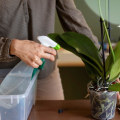
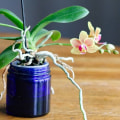
When it comes to orchid care tips, one of the most overlooked aspects is the cleanliness of the leaves. Clean leaves are not just a matter of aesthetics; they play a crucial role in the overall health and vitality of your orchids. Dust, dirt, and residues can accumulate on the leaves, blocking sunlight and hindering the plant's ability to photosynthesize effectively. This can lead to stunted growth and a weakened plant that is more susceptible to diseases. Moreover, clean leaves help in maintaining optimal humidity levels around the plant.
Orchids thrive in environments where moisture is balanced, and dirty leaves can disrupt this delicate equilibrium. By ensuring that your orchid's leaves are free from debris, you create a healthier microenvironment that promotes robust growth and flowering. In addition to enhancing photosynthesis and humidity control, clean leaves also allow for better air circulation. Good airflow is essential for preventing fungal infections and other pests that can harm your orchids. Therefore, understanding the importance of maintaining clean orchid leaves is fundamental for any enthusiast looking to cultivate thriving plants.
In the following sections, we will delve into practical tips on how to effectively clean your orchid's leaves while ensuring their health and longevity.
Common Causes of Dirty Orchid Leaves
Understanding the common causes of dirty orchid leaves is essential for maintaining the health and beauty of your plants. Several factors can contribute to the accumulation of dirt, dust, and pests on your orchids, which can hinder their growth and overall vitality.- Dust Accumulation: Orchids are often kept indoors, where dust can easily settle on their leaves. This layer of dust not only makes the leaves look unsightly but can also block sunlight, which is crucial for photosynthesis. Regular cleaning is necessary to prevent this buildup.
- Pest Infestations: Pests such as aphids, spider mites, and mealybugs can attach themselves to orchid leaves, leading to a dirty appearance.
These pests feed on the plant's sap and can cause significant damage if not addressed promptly. Look for signs of infestation, such as sticky residue or webbing.
- Environmental Conditions: The environment in which your orchids are kept plays a significant role in leaf cleanliness. High humidity levels can promote mold growth, while dry air can lead to dust accumulation. Additionally, if your orchids are placed near open windows or doors, they may be exposed to outdoor pollutants.
Regular maintenance, including wiping down leaves and monitoring for pests, will help ensure that your orchids thrive in their environment.
Best Practices for Cleaning Orchid Leaves
Cleaning your orchid's leaves is an essential part of orchid care that not only enhances the plant's appearance but also promotes its overall health. Dust and debris can accumulate on the leaves, blocking sunlight and hindering photosynthesis. Here are some effective methods to clean your orchid leaves:- Gather Your Supplies: Before you start, make sure you have the following tools:
- Soft, lint-free cloth or sponge
- Distilled water or a mild soap solution
- Spray bottle (optional)
Step-by-Step Cleaning Process:
- Prepare the Cleaning Solution: If you choose to use a soap solution, mix a few drops of mild liquid soap with distilled water in a spray bottle. This will help remove stubborn dirt without harming the plant.
- Wipe the Leaves: Dampen your cloth or sponge with the cleaning solution.
Gently wipe each leaf, starting from the base and moving towards the tip. Be careful not to apply too much pressure, as orchid leaves can be sensitive.
- Rinse (if necessary): If you used soap, it’s important to rinse the leaves afterward. Use a clean cloth dampened with distilled water to wipe off any soap residue.
- Drying: Allow the leaves to air dry completely before placing the orchid back in its usual spot. This helps prevent any moisture-related issues.
Additional Tips:
- Avoid using leaf shine products, as they can clog pores and hinder respiration.
- Clean your orchids regularly, ideally every few weeks, to maintain their health and appearance.
- If your orchid has particularly large leaves, consider using a soft brush to gently remove dust before wiping them down.
Natural Cleaning Solutions for Orchids
Keeping your orchid's leaves clean is essential for their health and vitality.Fortunately, there are several natural cleaning solutions that you can use to maintain the beauty of your orchids without resorting to harsh chemicals.
1.Water and Vinegar Solution
- Mix equal parts of water and white vinegar in a spray bottle.
- Lightly mist the leaves, avoiding the roots and flowers.
- Wipe the leaves gently with a soft cloth to remove dust and grime.
2.Mild Soap Solution
- Combine a few drops of mild liquid soap (like Castile soap) with water in a spray bottle.
- Spray the mixture onto the leaves and let it sit for a few minutes.
- Wipe off with a damp cloth to remove any residue.
3.Coconut Oil Polish
- Apply a small amount of coconut oil to a soft cloth.
- Gently buff the leaves to give them a natural shine while also providing moisture.
4.Baking Soda Solution
- Dissolve one teaspoon of baking soda in a quart of water.
- Use this solution to wipe down the leaves, which can help prevent fungal infections.
Frequency of Cleaning Orchid Leaves
Cleaning your orchid's leaves is an essential part of orchid care, and the frequency of this task can vary based on several factors. Understanding how often to clean your orchid leaves will help maintain their health and vitality.General Cleaning Schedule
- For most orchids, a good rule of thumb is to clean the leaves every two to four weeks.
This regular maintenance helps prevent dust accumulation, which can block sunlight and hinder photosynthesis.
- If your orchids are placed in a particularly dusty environment or near air vents, consider increasing the frequency to once a week.
- During the growing season, typically spring and summer, you may want to clean the leaves more often as they are actively photosynthesizing and can accumulate more debris.
Factors Influencing Cleaning Frequency
- Type of Orchid: Different species may have varying needs. For instance, Phalaenopsis orchids might require more frequent cleaning compared to Dendrobium orchids due to their broader leaves.
- Environmental Conditions: Orchids in humid environments may develop mold or algae on their leaves, necessitating more frequent cleaning. Conversely, those in drier conditions may not need as much attention.
- Seasonal Changes: During winter months, when indoor heating can create dry air, dust may settle more quickly on leaves. Adjust your cleaning schedule accordingly.
Maintenance Tips for Orchids
- Always use a soft cloth or sponge dampened with water to gently wipe the leaves.
Avoid using harsh chemicals that could harm the plant.
- If you notice any sticky residue or pests, consider using a mild soap solution for cleaning.
- After cleaning, inspect the leaves for any signs of disease or pests, as early detection is key to effective management.
Signs Your Orchid Needs Leaf Cleaning
Understanding the signs that your orchid needs leaf cleaning is crucial for maintaining its health and vitality. Dirty leaves can hinder photosynthesis and lead to other issues, so being proactive is key.Here are some common indicators that your orchid's leaves may require attention:- Dust Accumulation: If you notice a visible layer of dust on the leaves, it’s time to clean them. Dust can block sunlight and reduce the plant's ability to photosynthesize effectively.
- Sticky Residue: A sticky film on the leaves may indicate the presence of pests like aphids or mealybugs. This residue can attract mold, further complicating your orchid's health.
- Yellowing Leaves: While yellowing can be a sign of overwatering or nutrient deficiency, it can also occur if the leaves are dirty.
Cleaning them may help improve their appearance and overall health.
- Pest Presence: If you spot any insects or webs on the leaves, it’s essential to clean them immediately. Pests can cause significant damage if left untreated.
- Mold Growth: If you see any signs of mold or fungal growth on the leaves, this is a clear indicator that cleaning is necessary to prevent further spread.
FAQs About Cleaning Orchid Leaves
Cleaning your orchid's leaves is essential for maintaining their health and beauty.Here are some frequently asked questions regarding this important aspect of orchid care.
How often should I clean my orchid's leaves?
It is recommended to clean your orchid's leaves every two to four weeks. This frequency helps remove dust and debris that can block sunlight and hinder photosynthesis.What is the best method for cleaning orchid leaves?
The best method involves using a soft, damp cloth or sponge. Gently wipe the leaves to avoid damaging them. For stubborn spots, you can use a mixture of water and a few drops of mild dish soap.Always rinse the leaves with clean water afterward to remove any soap residue.
Can I use leaf shine products on my orchids?
While leaf shine products can enhance the appearance of leaves, they may also clog the pores of the plant, leading to potential health issues. It’s generally better to avoid these products and stick to natural cleaning methods.Are there any specific tips for cleaning large-leaved orchids?
- Use a larger cloth: For orchids with large leaves, opt for a bigger cloth or sponge to cover more surface area efficiently.
- Be gentle: Always be gentle when cleaning to prevent bruising or tearing the leaves.
- Check for pests: While cleaning, inspect the undersides of the leaves for any signs of pests or disease.
What should I do if my orchid's leaves are sticky?
If you notice sticky residue on your orchid's leaves, it could be a sign of pest infestation, such as aphids or mealybugs. Clean the leaves with a damp cloth and inspect for pests. If found, treat your orchid with an appropriate insecticide or natural remedy.By following these orchid care tips, you can ensure that your orchids remain healthy and vibrant.Regular maintenance not only enhances their appearance but also contributes to their overall well-being.
Conclusion: Keeping Your Orchids Thriving with Clean Leaves
In conclusion, maintaining clean leaves is essential for the overall health and vitality of your orchids. As we have discussed, dust and debris can hinder photosynthesis, making it crucial to regularly clean your orchid's leaves. By following the orchid care tips outlined in this article, you can ensure that your plants not only look beautiful but also thrive in their environment.To recap, here are the key points to remember:- Regular Cleaning: Aim to clean your orchid leaves every few weeks to prevent dust accumulation.
- Gentle Methods: Use a soft cloth or sponge with lukewarm water to gently wipe the leaves, avoiding harsh chemicals that could damage them.
- Inspect for Pests: While cleaning, take the opportunity to check for any signs of pests or disease, addressing issues promptly to keep your orchids healthy.
- Humidity Considerations: Remember that orchids thrive in humid environments; misting can help keep leaves clean while providing necessary moisture.
So grab that cloth and start giving your orchids the care they deserve—your plants will thank you with lush foliage and stunning blooms!.