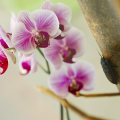
Understanding the unique growth patterns of orchids is essential for anyone looking to master orchid care. Orchids are not just beautiful; they are also diverse, with thousands of species and hybrids that exhibit various growth habits. Some orchids, like the Phalaenopsis, are monopodial, meaning they grow from a single stem and can produce multiple flowers from the same spike. Others, such as the Cattleya, are sympodial, growing from multiple stems and often producing larger blooms.
Recognizing these differences is crucial when it comes to effective pruning. Each type of orchid has its own specific needs and growth cycles, which can influence when and how you should prune them. For instance, Phalaenopsis orchids typically bloom once a year, so pruning after flowering encourages new growth and future blooms. In contrast, Cattleya orchids may require a different approach, as they can bloom multiple times throughout the year. Understanding these nuances not only enhances your ability to care for your plants but also ensures that you are timing your pruning correctly to promote healthy growth. In addition to knowing the types of orchids, it's important to grasp the basics of orchid care.
This includes understanding their light requirements, watering needs, and the right potting medium. By familiarizing yourself with these fundamental aspects, you will be better equipped to make informed decisions about pruning and overall plant health. As we delve deeper into the specifics of pruning techniques in later sections, keep in mind that a solid foundation in orchid growth patterns will significantly enhance your success as an orchid enthusiast.
When to Prune Your Orchid
Understanding when to prune your orchid is crucial for maintaining its health and promoting vibrant blooms. The best time to prune orchids typically coincides with their blooming cycle.Most orchids, particularly the popular Phalaenopsis, bloom once a year, and pruning should ideally occur after the flowers have fallen off.
Signs Your Orchid Needs Pruning
- Dead or Yellowing Leaves: If you notice leaves that are yellowing or have turned brown, it’s a sign that they are no longer healthy and should be pruned away.
- Spent Flower Stalks: After your orchid has finished blooming, the flower spikes may turn brown. This is a clear indication that it’s time to cut them back.
- Pests or Disease: If you see signs of pests or disease on your orchid, pruning affected areas can help prevent further spread.
By paying attention to your orchid's blooming cycle and health indicators, you can effectively determine the best time for pruning and keep your plant thriving.
Tools You Need for Pruning Orchids
When it comes to pruning orchids, having the right tools is essential for ensuring healthy growth and beautiful blooms. Using the appropriate equipment not only makes the process easier but also minimizes the risk of damaging your plants. Here are some essential tools you should consider:- Sharp Scissors or Pruning Shears: The best scissors for pruning orchids are those that are sharp and clean. Look for pruning shears with a fine tip, which allows for precise cuts without crushing the stems.
Bypass pruners are often recommended as they provide a clean cut.
- Utility Knife: A utility knife can be useful for cutting through tougher stems or roots. Ensure that the blade is sharp to avoid tearing the plant tissue.
- Cutting Board or Surface: Having a dedicated cutting board can help keep your workspace organized and prevent contamination from other plants.
- Rubbing Alcohol or Bleach Solution: Before you start pruning, it’s crucial to sterilize your tools to prevent the spread of disease. Use a solution of 70% rubbing alcohol or a diluted bleach solution (1 part bleach to 9 parts water) to wipe down your scissors and shears.
By equipping yourself with the right tools and taking necessary precautions, you can ensure a successful pruning session that promotes healthy growth in your orchids.
Step-by-Step Guide to Pruning Orchids
Pruning your orchid is essential for maintaining its health and encouraging new growth. Follow this step-by-step guide to ensure you prune your orchid correctly.- Gather Your Tools: Before you start, make sure you have the right tools. You will need a pair of sharp, sterilized scissors or pruning shears, and possibly some rubbing alcohol for sterilization.
- Identify the Right Time: The best time to prune an orchid is after it has finished blooming. Look for signs that the flowers have wilted and fallen off, indicating that it’s time to prune.
- Inspect the Plant: Examine your orchid closely.
Look for any dead or yellowing leaves and spent flower spikes. These are the parts that need to be pruned.
- Prune the Flower Spike: If the flower spike is brown and dry, cut it back to the base of the plant. If it’s still green, you can cut it just above a node (the small bump on the spike) to encourage branching.
- Remove Dead Leaves: Use your scissors to carefully snip away any dead or yellowing leaves at their base. This helps prevent disease and allows the plant to focus its energy on healthy growth.
- Sterilize Your Tools: After pruning, clean your tools with rubbing alcohol to prevent any potential spread of disease to your orchid or other plants.
- Monitor Your Orchid: After pruning, keep an eye on your orchid for signs of new growth.
Ensure it receives proper light and water as part of your ongoing orchid care tips.
Common Mistakes to Avoid When Pruning Orchids
Pruning orchids can be a delicate process, and many gardeners make common mistakes that can hinder the health and beauty of these stunning plants. Understanding these mistakes in orchid care is crucial for successful pruning.- Pruning at the Wrong Time: One of the most frequent errors is pruning orchids at the wrong time of year. Ideally, you should prune after the blooming period, allowing the plant to recover and prepare for the next flowering cycle.
- Using Dull Tools: Another common mistake is using dull or dirty tools.
Always ensure your pruning shears are sharp and sanitized to prevent damaging the plant and introducing diseases.
- Over-Pruning: Many gardeners tend to over-prune their orchids, removing too many leaves or stems. This can stress the plant and reduce its ability to photosynthesize. Focus on removing only dead or yellowing leaves and spent flower spikes.
- Ignoring Plant Type: Different orchid species have unique pruning needs. For instance, Phalaenopsis orchids require different care compared to Cattleya orchids.
Familiarize yourself with the specific requirements of your orchid type to avoid improper pruning.
- Neglecting to Assess Health: Before pruning, it’s essential to assess the overall health of your orchid. Pruning a weak or unhealthy plant can exacerbate its issues. Ensure your orchid is thriving before making any cuts.
Post-Pruning Care for Orchids
After pruning your orchids, providing the right post-pruning care is essential for their recovery and future growth.Here are some key tips to ensure your orchids thrive after their trim:
Watering Tips
- Wait Before Watering: After pruning, it’s crucial to allow the plant to recover before watering. Wait at least a week to let any cuts heal and prevent rot.
- Check Moisture Levels: Use your finger to check the moisture level of the potting medium. Water only when the top inch feels dry.
- Use Room Temperature Water: When you do water, use room temperature water to avoid shocking the plant.
Fertilization Guidelines
- Delay Fertilization: Hold off on fertilizing for about a month after pruning. This allows the plant to focus on healing rather than nutrient uptake.
- Use a Balanced Fertilizer: Once you resume feeding, opt for a balanced orchid fertilizer (like 30-10-10) diluted to half strength.
- Frequency: Fertilize every 2-4 weeks during the growing season, but reduce frequency in winter when growth slows.
Environmental Considerations
- Humidity Levels: Maintain humidity levels between 40-70%.
You can increase humidity by misting or placing a tray of water near the orchids.
- Avoid Direct Sunlight: Keep pruned orchids out of direct sunlight for a few weeks to prevent stress and sunburn on new growth.
- Temperature Stability: Ensure that your orchids are kept in a stable temperature environment, ideally between 65°F and 75°F (18°C - 24°C).
Frequently Asked Questions About Orchid Pruning
When it comes to orchid pruning, many enthusiasts have questions that can help them better care for their plants. Here are some of the most frequently asked questions:1.When is the best time to prune my orchid?
The ideal time to prune your orchid is right after it has finished blooming. This allows the plant to focus its energy on new growth rather than on maintaining spent flowers.For most orchids, this is typically in late winter or early spring.
2.How do I know which parts of the orchid to prune?
Look for dead or yellowing leaves and spent flower spikes. You should prune these back to promote healthy growth. For flower spikes, cut them just above a node where you see a small bump; this can encourage new blooms.3.Should I use special tools for pruning?
Yes, using clean, sharp tools is essential for effective pruning. A pair of sterilized scissors or pruning shears will help prevent the spread of disease and ensure a clean cut.4.How often should I prune my orchids?
Pruning should be done as needed, primarily after blooming cycles.Regularly check your orchids for any dead or unhealthy parts and remove them promptly to maintain plant health.
5.Can I prune my orchid if it’s not blooming?
Absolutely! You can prune your orchid at any time if you notice unhealthy leaves or stems. Just be cautious not to remove too much foliage at once, as this can stress the plant.By addressing these common orchid care inquiries, you can enhance your understanding of how to properly care for your orchids and ensure they thrive in your home.Conclusion: Key Takeaways on Orchid Pruning and Care
In summary, effective orchid care hinges on understanding the specific needs of your orchid species, particularly when it comes to pruning. Here are the key takeaways to ensure your orchids thrive:- Timing is Crucial: Prune your orchids after they have finished blooming. This is typically when the flower spikes turn brown, indicating that the plant is ready for rejuvenation.
- Use Clean Tools: Always use sterilized tools to prevent the spread of disease.
A clean cut promotes faster healing and reduces the risk of infection.
- Know What to Cut: Focus on removing dead or yellowing leaves and spent flower spikes. This not only improves the plant's appearance but also directs energy towards new growth.
- Monitor Growth: After pruning, keep an eye on your orchid's growth patterns. Healthy new growth is a sign that your pruning was successful and that your orchid care practices are on point.