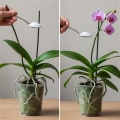
When it comes to orchid care, understanding the specific needs of these beautiful plants is crucial for their health and longevity. Orchids are not just any houseplants; they require a unique approach to watering and maintenance that differs significantly from more common varieties. This is particularly important when considering the type of water you use, as it can greatly impact their growth and blooming potential. One of the most frequently asked questions among orchid enthusiasts is whether tap water is suitable for watering orchids. While it may seem convenient, the quality of tap water can vary widely depending on your location.
Factors such as chlorine, fluoride, and mineral content can affect the delicate balance that orchids need to thrive. Therefore, understanding how to properly care for your orchids involves not only knowing when to water but also what type of water will best support their growth. In this section, we will delve into essential orchid maintenance practices, focusing on watering techniques and the implications of using tap water. By equipping yourself with these orchid care tips, you can ensure that your orchids remain healthy and vibrant, ultimately leading to stunning blooms that enhance your living space.
The Basics of Watering Orchids
Watering orchids is a crucial aspect of orchid care that can significantly impact their health and blooming potential. Understanding the basics of how to water orchids will help you maintain vibrant and thriving plants.How to Water Orchids
- Water your orchids thoroughly, allowing water to flow through the drainage holes of the pot.
This ensures that the roots receive adequate moisture.
- Use a watering can or a hose with a fine nozzle to avoid damaging the delicate flowers and leaves.
- Avoid letting your orchids sit in standing water, as this can lead to root rot.
Orchid Watering Frequency
The frequency of watering depends on several factors, including the type of orchid, the potting medium, and environmental conditions. Generally, orchids should be watered:
- Every 7 to 10 days during the growing season (spring and summer).
- Every 10 to 14 days during the dormant season (fall and winter).
Best Water for Orchids
The quality of water used for orchids is just as important as the watering technique. While tap water can be used, it’s essential to consider its composition:
- If your tap water is high in chlorine or fluoride, it may be beneficial to let it sit out for 24 hours before using it.
This allows harmful chemicals to dissipate.
- Rainwater or distilled water are excellent alternatives, as they are free from chemicals that can harm your orchids.
Can You Use Tap Water for Orchids?
When it comes to orchid care tips, one of the most frequently asked questions is whether you can use tap water to water your orchids. The answer is not straightforward, as it depends on several factors, including the quality of your tap water and the specific needs of your orchid species.Is Tap Water Safe for Orchids?
In many cases, tap water can be used for orchids, but there are some important considerations:
- Chlorine and Chloramine: Many municipal water supplies treat their water with chlorine or chloramine to kill bacteria. While most orchids can tolerate small amounts of these chemicals, prolonged exposure may harm them.
If your tap water has a strong chlorine smell, consider letting it sit out for 24 hours before using it, allowing the chlorine to dissipate.
- Mineral Content: Tap water often contains minerals like calcium and magnesium, which can be beneficial in small amounts. However, excessive mineral buildup can lead to salt accumulation in the potting medium, potentially harming your orchids. Regularly flushing the potting medium with distilled or rainwater can help mitigate this issue.
- pH Levels: The pH level of tap water can vary significantly. Orchids generally prefer slightly acidic conditions (pH 5.5 to 6.5).
If your tap water is too alkaline, it may affect nutrient absorption. Testing your water's pH can provide valuable insights.
Using Tap Water on Orchids
If you decide to use tap water for your orchids, here are some tips to ensure their health:
- Test Your Water: Use a home testing kit to check for chlorine levels and pH balance.
- Alternate Water Sources: Consider mixing tap water with distilled or rainwater to dilute any harmful chemicals or minerals.
- Observe Your Orchids: Keep an eye on your plants for signs of distress, such as yellowing leaves or stunted growth, which may indicate issues with your watering method.
Factors to Consider When Using Tap Water
When considering the use of tap water for watering your orchids, several factors come into play that can significantly impact their health and growth. Understanding these factors will help you make informed decisions about your orchid care.Tap Water Quality
The quality of tap water varies widely depending on your location.It is essential to check the water quality report provided by your local water authority. This report typically includes information on pH levels, mineral content, and the presence of harmful chemicals. Ideally, orchids thrive in water that is slightly acidic to neutral, with a pH range of 5.5 to 7.0.
Chlorine in Tap Water
Many municipalities treat their water with chlorine or chloramine to eliminate harmful bacteria. While this is beneficial for human consumption, chlorine can be detrimental to orchids.High levels of chlorine can lead to root damage and hinder nutrient absorption. If you must use tap water, consider letting it sit out for 24 hours before using it on your orchids. This allows the chlorine to dissipate, making the water safer for your plants.
Hard Water Effects on Orchids
Hard water, which contains high levels of calcium and magnesium, can also pose challenges for orchid care. Over time, hard water can lead to mineral buildup in the potting medium, affecting drainage and aeration.This buildup can cause root rot and other issues that compromise the health of your orchids. If you notice white crusty deposits on the pot or around the roots, it may be a sign that hard water is affecting your plants.To mitigate these issues, consider using distilled or rainwater as an alternative to tap water. These options are generally free from harmful chemicals and minerals, providing a more suitable environment for your orchids to thrive.
Alternatives to Tap Water for Orchids
While tap water can be convenient for watering orchids, it may not always be the best choice due to its chemical content, such as chlorine and fluoride, which can harm these delicate plants. Fortunately, there are several alternatives that can provide your orchids with the optimal hydration they need.Distilled Water for Orchids
Distilled water is a popular choice among orchid enthusiasts.This type of water is free from minerals and chemicals, making it an excellent option for orchids that are sensitive to impurities. Using distilled water can help prevent mineral buildup in the potting medium, which can lead to root rot and other issues. However, it's important to note that while distilled water lacks harmful substances, it also lacks essential minerals that orchids need for growth. Therefore, consider supplementing with a balanced fertilizer to ensure your orchids receive adequate nutrients.
Rainwater for Orchids
Rainwater is another fantastic alternative for watering orchids.It is naturally soft and free from the chemicals often found in tap water. Many orchid growers swear by rainwater because it closely mimics the natural environment of orchids, which thrive in humid, tropical conditions. Collecting rainwater is not only eco-friendly but also cost-effective. Just be sure to use clean containers to collect the rainwater and avoid any contamination from roofs or gutters.
Other Considerations
- Filtered Water: Using a water filter can help remove impurities from tap water, making it a more suitable option for your orchids.
- Bottled Spring Water: This can be a good alternative if you prefer not to collect rainwater or distill your own water.
- Avoid Hard Water: If you live in an area with hard water, it's best to avoid using it for your orchids as it can lead to mineral buildup.
By choosing the right type of water, you can promote healthier growth and vibrant blooms in your beloved orchids.
Signs Your Orchids Are Not Thriving
Understanding the health signs of your orchids is crucial for maintaining their vitality. If your orchids are not thriving, there are several indicators to watch for that can help you diagnose the problem early.- Yellowing Leaves: One of the most common signs of distress in orchids is yellowing leaves. This can indicate overwatering, which leads to root rot, or it may suggest that your plant is not receiving enough light.
- Wilting Flowers: If the flowers on your orchid are wilting or dropping prematurely, it could be a sign of underwatering or environmental stress. Ensure that your orchid is getting the right amount of moisture and humidity.
- Brown Leaf Tips: Brown tips on leaves often indicate that the orchid is receiving too much fertilizer or is exposed to dry air.
Adjusting your watering schedule and ensuring proper humidity can help remedy this issue.
- Root Condition: Healthy roots should be firm and greenish-white. If you notice dark, mushy roots, this is a clear sign of overwatering. Conversely, shriveled roots may indicate that your orchid is not getting enough water.
- Pest Infestation: Check for signs of pests such as mealybugs or aphids. These can weaken your orchid and lead to poor health.
Regularly inspecting your plants can help catch infestations early.
Frequently Asked Questions About Orchid Watering
When it comes to watering orchids, many enthusiasts have questions about the best practices to ensure their plants thrive. Here are some of the most frequently asked questions regarding orchid watering:Can I use tap water to water my orchids?
Yes, you can use tap water for your orchids, but there are a few considerations.Tap water often contains chlorine and other chemicals that can be harmful to sensitive orchid roots. If possible, let the water sit out for 24 hours before using it, allowing the chlorine to evaporate. Alternatively, using distilled or rainwater can be beneficial.
How often should I water my orchids?
The frequency of watering depends on several factors including the type of orchid, the potting medium, and environmental conditions. Generally, orchids should be watered every 1-2 weeks.A good rule of thumb is to check the moisture level of the potting medium; if it feels dry an inch below the surface, it’s time to water.
What signs indicate that my orchid needs water?
- Dry potting medium: If the top layer of the medium is dry, it’s time to water.
- Wrinkled leaves: This can indicate dehydration.
- Drooping flowers: If blooms start to droop, they may need more moisture.
Should I mist my orchids?
Misting can help increase humidity around your orchids, especially in dry environments. However, it should not replace regular watering. Misting is best done in conjunction with proper watering practices.By understanding these common orchid care tips, you can ensure your plants receive the right amount of moisture and thrive in their environment.Conclusion: Best Practices for Watering Your Orchids
In conclusion, when it comes to watering your orchids, understanding the quality of your water is crucial for their health and longevity. While tap water can be used, it is essential to consider its composition and how it may affect your plants over time. Here are some best practices to keep in mind:- Test Your Tap Water: Before using tap water, check its pH and mineral content.
Ideally, orchids thrive in slightly acidic conditions, so aim for a pH between 5.5 and 6.5.
- Let It Sit: Allowing tap water to sit for 24 hours can help dissipate chlorine and other chemicals, making it safer for your orchids.
- Use Distilled or Rainwater: If your tap water is high in minerals or chemicals, consider using distilled or rainwater as a better alternative.
- Monitor Your Orchids: Pay attention to how your orchids respond to the water you provide. Yellowing leaves or root rot may indicate that the water quality is not suitable.