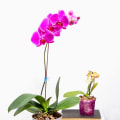
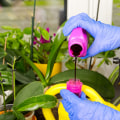
When it comes to orchid care tips, understanding the significance of pest management is crucial for maintaining the health and beauty of these exquisite plants. Orchids, known for their stunning blooms and unique structures, can be particularly vulnerable to a variety of pests that threaten their vitality. Effective pest control not only protects your orchids but also enhances their growth and flowering potential, ensuring that they thrive in your home or garden. Many orchid enthusiasts may underestimate the impact that pests can have on their plants. Infestations can lead to stunted growth, discolored leaves, and even the death of the plant if left unchecked.
Therefore, incorporating a robust pest management strategy into your orchid care routine is essential. This involves not only identifying common pests but also implementing preventive measures to keep them at bay. In this section, we will delve into the various types of pests that commonly affect orchids and explore effective prevention techniques. By being proactive in your approach to pest control, you can ensure that your orchids remain healthy and vibrant, allowing you to enjoy their beauty for years to come.
Common Pests That Affect Orchids
Orchids, while stunning and exotic, can be susceptible to a variety of pests that threaten their health and beauty. Understanding these common orchid pests is crucial for effective orchid care.Below is a list of some of the most prevalent pests that can affect your orchids:
- Mealybugs: These small, white, cotton-like insects often cluster in leaf joints and on stems. They feed on plant sap, leading to yellowing leaves and stunted growth. Regularly inspecting your orchids and using insecticidal soap can help control their population.
- Scale Insects: Scale appears as small, brown or gray bumps on the leaves and stems. They can be hard to spot but can cause significant damage by sucking sap.
To manage scale, you can gently scrub them off with a soft brush or apply horticultural oil.
- Spider Mites: These tiny pests thrive in dry conditions and can cause leaf discoloration and webbing. Increasing humidity around your orchids and regularly misting them can help prevent spider mite infestations.
- Aphids: Often found on new growth, aphids are small, green or black insects that suck sap from the plant. They can be controlled with a strong stream of water or insecticidal soap.
- Thrips: These slender insects can cause streaks and discoloration on flowers and leaves. They are difficult to see but can be managed with regular monitoring and the use of sticky traps.
- Regularly inspect your plants for signs of infestation.
- Maintain proper humidity levels to deter pests like spider mites.
- Avoid overcrowding your orchids to ensure good air circulation.
- Use organic pesticides as a preventive measure if you notice any early signs of pests.
Identifying Signs of Pest Infestation
Recognizing the signs of pest infestation on your orchids is crucial for maintaining their health and beauty.Early detection can prevent severe damage and ensure your plants thrive. Here are some common symptoms to look out for:
- Discoloration of Leaves: Yellowing or browning of leaves can indicate stress caused by pests. Look for patches or spots that may suggest specific pest activity.
- Wilting or Drooping: If your orchids appear limp or droopy, it could be a sign of root damage from pests like root mealybugs.
- Sticky Residue: A sticky substance on leaves or surrounding surfaces may indicate the presence of sap-sucking insects such as aphids or scale insects.
- Webbing: Fine webs on the plant, especially in the leaf axils, are often a sign of spider mites. These pests thrive in dry conditions and can quickly damage your orchids.
- Visible Insects: Regularly inspect your orchids for any visible pests.
Common offenders include aphids, mealybugs, and thrips, which can often be seen with the naked eye.
- Leaf Deformation: If you notice unusual growth patterns, such as curled or distorted leaves, this could indicate pest activity affecting the plant's growth.
Implementing preventive measures and maintaining good cultural practices can significantly reduce the risk of infestations in the first place.
Preventive Measures for Orchid Pest Control
Preventing pest infestations in orchids is crucial for maintaining their health and beauty. Here are some effective orchid care tips to help you keep these delicate plants pest-free:- Regular Inspections: Frequently check your orchids for any signs of pests, such as discolored leaves or webbing. Early detection is key to preventing a larger infestation.
- Maintain Cleanliness: Keep the area around your orchids clean. Remove fallen leaves and debris that can harbor pests.
Regularly clean pots and trays to eliminate any potential breeding grounds.
- Proper Air Circulation: Ensure your orchids are placed in an area with good air circulation. Stagnant air can create a humid environment that attracts pests like fungus gnats and spider mites.
- Watering Practices: Overwatering can lead to root rot and attract pests. Water your orchids only when necessary, allowing the potting medium to dry out slightly between waterings.
- Use Neem Oil: As a natural pesticide, neem oil can deter many common orchid pests. Mix it with water according to the instructions and spray it on your plants every few weeks as a preventive measure.
- Avoid Overcrowding: Give your orchids enough space to grow.
Overcrowding can lead to increased humidity and make it easier for pests to spread from one plant to another.
- Quarantine New Plants: When introducing new orchids to your collection, keep them separate for a few weeks. This practice helps ensure they are pest-free before mingling with your existing plants.
Natural Remedies for Common Orchid Pests
When it comes to orchid care tips, addressing pest issues naturally can be both effective and environmentally friendly. Here are some natural remedies that can help you combat common orchid pests:- Neem Oil: This natural pesticide is derived from the seeds of the neem tree.
It disrupts the life cycle of pests like aphids and spider mites. Mix a few drops of neem oil with water and a few drops of dish soap, then spray it on affected areas of your orchids.
- Insecticidal Soap: A simple solution made from natural ingredients can effectively control soft-bodied insects. You can create your own by mixing 1 tablespoon of liquid soap (not detergent) with 1 quart of water. Spray directly on the pests, ensuring thorough coverage.
- Cinnamon: This common kitchen spice is not only a great flavor enhancer but also acts as a natural fungicide and insect repellent.
Sprinkle cinnamon powder on the soil or affected areas to deter pests.
- Garlic Spray: Garlic has natural insect-repelling properties. Blend a few cloves of garlic with water, strain the mixture, and spray it on your orchids to keep pests at bay.
- Alcohol Solution: Rubbing alcohol can be effective against mealybugs and scale insects. Mix equal parts of water and rubbing alcohol, apply it with a cotton swab directly to the pests, and rinse afterward to prevent any damage to the plant.
By integrating these home remedies for orchid care, you can keep your orchids healthy and thriving without resorting to harsh chemicals.
Chemical Treatments: When and How to Use Them Safely
When it comes to chemical treatments for pests affecting orchids, understanding when and how to use them safely is crucial for maintaining the health of your plants. While chemical pest control can be effective, improper use can lead to damage not only to your orchids but also to the surrounding environment.When to Use Chemical Treatments
Consider using chemical treatments when:- You have identified a severe pest infestation that cannot be managed through natural remedies.
- Your orchids show signs of distress, such as yellowing leaves or stunted growth, indicating a potential pest problem.
- Other control methods, like manual removal or insecticidal soaps, have failed to yield results.
Choosing the Right Pesticide
Select a pesticide specifically formulated for orchids. Look for products that target the specific pests you are dealing with, such as:- Systemic insecticides that are absorbed by the plant and provide long-lasting protection.
- Contact insecticides that kill pests on contact but may require multiple applications.
- Miticides for spider mites and other similar pests.
Safe Application Guidelines
To ensure safe application of chemical treatments:- Read the label: Always follow the manufacturer's instructions regarding dosage and application frequency.
- Avoid application during peak sunlight: Apply pesticides in the early morning or late evening to prevent leaf burn.
- Wear protective gear: Use gloves and a mask to protect yourself from exposure.
- Test on a small area: Before full application, test the pesticide on a small part of the plant to check for adverse reactions.
Frequently Asked Questions About Orchid Pests and Care Tips
When it comes to orchid care tips, understanding common pests and how to manage them is crucial for maintaining healthy plants.Here are some frequently asked questions regarding orchid pests:
What are the most common pests that affect orchids?
- Mealybugs: These small, white, cotton-like insects can be found on the leaves and stems, sucking sap and weakening the plant.
- Scale: Scale insects appear as small, brown or black bumps on the plant's surface. They also feed on sap and can cause significant damage if left untreated.
- Spider Mites: These tiny pests thrive in dry conditions and can cause yellowing leaves and webbing on the plant.
- Thrips: These slender insects can cause stippling on leaves and flowers, leading to a distorted appearance.
How can I prevent pests on my orchids?
- Regular Inspection: Frequently check your orchids for any signs of pests. Early detection is key to effective management.
- Maintain Humidity: Many pests thrive in dry environments. Keeping humidity levels around 50-70% can deter spider mites and other pests.
- Clean Leaves: Wipe down leaves with a damp cloth to remove dust and potential eggs or larvae.
- Avoid Overwatering: Overly wet conditions can lead to root rot and attract pests.
Ensure proper drainage in pots.
What should I do if I find pests on my orchids?
If you discover pests, act quickly. You can use insecticidal soap or neem oil as a natural treatment. Apply according to the product instructions, ensuring thorough coverage of affected areas. For severe infestations, consider isolating the affected plant to prevent spreading.By following these orchid care tips, you can effectively manage pest issues and keep your orchids thriving.Conclusion: Key Takeaways for Healthy Orchids
In summary, maintaining healthy orchids requires vigilance and proactive measures against common pests.Understanding the specific threats to your orchids is crucial for effective orchid care. Here are the key takeaways:
- Identify Common Pests: Familiarize yourself with pests such as aphids, mealybugs, and spider mites. Each pest has unique characteristics and behaviors that can help you spot them early.
- Regular Inspections: Conduct routine checks on your orchids. Look under leaves and in the crevices of the plant where pests often hide.
Early detection is vital for successful management.
- Maintain Proper Conditions: Ensure your orchids are in an environment that minimizes stress. Proper humidity, temperature, and light levels can make your plants less susceptible to infestations.
- Use Natural Remedies: Consider using insecticidal soap or neem oil as a first line of defense. These options are less harmful to beneficial insects and can effectively control pest populations.
- Quarantine New Plants: Always isolate new orchids before introducing them to your collection. This practice helps prevent the spread of pests from one plant to another.
Remember, a healthy orchid is not just about watering and feeding; it also involves being proactive about pest management.