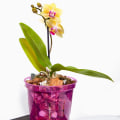
Understanding the temperature needs of orchids is crucial for their health and longevity. Different species of orchids have varying requirements, but most thrive in a range of 65°F to 75°F during the day and slightly cooler temperatures at night. For instance, Phalaenopsis, one of the most popular orchid types, prefers these moderate conditions, while others like Cattleya can tolerate slightly higher daytime temperatures. Recognizing these specific needs is essential for any orchid enthusiast. Extreme temperatures can stress orchids, leading to poor growth or even death.
When temperatures drop below 50°F or rise above 85°F, your orchids may exhibit signs of distress such as wilting leaves or stunted growth. Therefore, it’s vital to monitor the environment where your orchids are kept, whether indoors or outdoors. Utilizing a thermometer can help you maintain the ideal temperature range and ensure your plants are thriving. In addition to temperature, factors such as humidity and air circulation play a significant role in orchid care. Orchids generally prefer humidity levels between 40% and 70%.
If you live in an area with extreme temperature fluctuations, consider using a humidifier or placing a tray of water near your orchids to maintain moisture levels. By understanding and catering to the specific temperature needs of your orchids, you can create an optimal environment that promotes healthy growth and vibrant blooms.
Signs of Temperature Stress in Orchids
Recognizing the signs of temperature stress in your orchids is crucial for their health and longevity. When orchids experience extreme temperatures, whether too hot or too cold, they exhibit specific symptoms that indicate distress. Here are some common signs to watch for:- Wilting Leaves: If the leaves of your orchid appear limp or droopy, it may be a sign that the plant is struggling with temperature extremes.
- Leaf Discoloration: Yellowing or browning of leaves can indicate that your orchid is either too hot or too cold.
Pay attention to the specific areas affected; for instance, browning tips often suggest heat stress.
- Stunted Growth: A sudden halt in growth can signal that your orchid is not thriving due to unfavorable temperature conditions.
- Flower Drop: If your orchid drops its blooms prematurely, it may be reacting to temperature fluctuations. This is particularly common when temperatures swing dramatically.
- Root Rot: Overly cold conditions can lead to root rot, which manifests as mushy roots and a foul smell. Ensure that your orchid's roots are healthy and not sitting in cold water.
Remember, orchid care tips include providing a stable climate that mimics their natural habitat, which typically ranges between 65°F and 75°F during the day and slightly cooler at night. If you notice any of these signs, take immediate action to rectify the temperature issues. This may involve relocating your orchids to a more suitable area or adjusting their watering schedule to help them recover from stress.
Protecting Orchids from Extreme Heat
Extreme heat can pose a significant threat to your orchids, leading to heat stress that can damage or even kill these delicate plants. To ensure your orchids thrive during hot weather, consider the following orchid care tips.- Placement: Position your orchids in a location that avoids direct sunlight during the hottest parts of the day. A spot with bright, indirect light is ideal.
If you notice leaves starting to yellow or burn, it’s a sign that they are getting too much sun.
- Shading Techniques: Use sheer curtains or shade cloths to filter sunlight. You can also place your orchids under taller plants or structures that provide natural shade. This will help maintain a cooler environment for your orchids.
- Watering Practices: Increase your watering frequency during heat waves, but be cautious not to overwater. Water early in the morning or late in the afternoon when temperatures are cooler.
Ensure that pots have good drainage to prevent root rot.
- Humidity Levels: Orchids thrive in humid environments. Consider using a humidity tray filled with water and pebbles beneath your pots, or mist your orchids regularly to maintain moisture in the air around them.
- Air Circulation: Good air circulation is crucial for preventing heat stress. Use fans to keep air moving around your orchids, especially if they are indoors. This helps lower temperatures and reduces humidity buildup.
Safeguarding Orchids Against Cold Temperatures
Protecting your orchids from cold temperatures is crucial for their health and longevity.Here are some effective orchid care tips to ensure your plants thrive even in chilly conditions.
- Indoor Care: If you keep your orchids indoors, place them in a location away from drafty windows and doors. A stable temperature between 65°F and 75°F is ideal. Consider using a space heater or heat mat to maintain warmth during particularly cold spells.
- Humidity Levels: Cold air can also be dry, which may stress your orchids. Use a humidifier or place a tray of water near your plants to increase humidity levels, helping to combat cold stress.
- Insulation for Outdoor Orchids: For orchids that are kept outdoors, it’s essential to insulate them during winter.
Wrap pots in bubble wrap or burlap to provide extra warmth. You can also use frost cloths or blankets to cover the plants during particularly cold nights.
- Timing of Watering: Water your orchids in the morning rather than the evening. This allows excess moisture to evaporate during the day, reducing the risk of freezing overnight.
- Choosing the Right Location: If possible, move outdoor orchids to a more sheltered location, such as against a south-facing wall, which can absorb heat from the sun during the day and release it at night.
Creating an Ideal Environment for Orchids Year-Round
Creating a stable environment for your orchids is crucial for their health and longevity.Here are some essential orchid care tips to ensure your plants thrive throughout the year.
Humidity Control
Orchids generally prefer a humidity level between 40% and 70%. To maintain this, consider the following:- Humidity trays: Place a shallow tray filled with water and pebbles beneath your orchids. As the water evaporates, it will increase the humidity around the plants.
- Room humidifiers: Using a humidifier can help maintain consistent humidity levels, especially during dry winter months.
- Misting: Lightly misting your orchids can provide a quick boost in humidity, but be cautious not to overdo it, as excess moisture can lead to fungal issues.
Light Requirements
Proper lighting is another critical factor in creating an ideal environment for orchids. Most orchids thrive in bright, indirect light.Here are some tips:
- Window placement: Position your orchids near east or west-facing windows where they can receive filtered sunlight.
- Grow lights: If natural light is insufficient, consider using grow lights to supplement their light needs, especially during shorter winter days.
- Monitor leaf color: Healthy orchid leaves should be a vibrant green. If they turn yellow, it may indicate too much light; if they are dark green, they may need more light.
Temperature Regulation
Orchids are sensitive to temperature fluctuations. Aim for a daytime temperature of 70-80°F (21-27°C) and a nighttime drop of about 10°F (5°C). Here are some strategies to manage temperature:- Avoid drafts: Keep your orchids away from drafty windows or doors that can expose them to sudden temperature changes.
- Heating mats: In colder months, consider using heating mats to provide consistent warmth at the roots without overheating the foliage.
- Seasonal adjustments: Be prepared to adjust your orchid's location based on seasonal temperature changes, ensuring they remain comfortable year-round.
Frequently Asked Questions About Orchid Temperature Care
When it comes to orchid care tips, understanding how to manage temperature is crucial for the health of your plants.Here are some frequently asked questions regarding temperature care for orchids:
- What is the ideal temperature range for orchids?
Most orchids thrive in temperatures between 65°F to 75°F (18°C to 24°C) during the day and slightly cooler at night, around 60°F to 65°F (15°C to 18°C). Maintaining this range helps promote healthy growth and blooming. - How can I protect my orchids from extreme heat?
In hot weather, consider moving your orchids to a shaded area or using sheer curtains to diffuse sunlight. Additionally, ensure they are well-watered, as moisture can help cool the plant. - What should I do if my orchids are exposed to cold drafts?
Cold drafts can be detrimental to orchids. To protect them, place your orchids away from windows and doors that may let in cold air.If temperatures drop significantly, consider using a heat mat or bringing them indoors.
- Can I use a fan to regulate temperature for my orchids?
Yes, using a fan can help circulate air and prevent overheating, especially in warmer months. Just ensure that the fan is not blowing directly on the plants, as this can cause stress. - How do I know if my orchid is too hot or too cold?
Signs of temperature stress include wilting leaves, yellowing foliage, or stunted growth. If you notice these symptoms, check the surrounding environment and adjust the temperature accordingly.
Conclusion: Key Takeaways for Orchid Temperature Protection
In summary, protecting your orchids from extreme temperatures is crucial for their health and longevity. By implementing the right orchid care tips, you can create a stable environment that promotes growth and flowering. Here are the key takeaways to remember:- Temperature Awareness: Understand the specific temperature needs of your orchid species.
Most orchids thrive in temperatures between 65°F and 75°F during the day and slightly cooler at night.
- Indoor Climate Control: Utilize heating and cooling systems effectively. During winter, ensure that your orchids are not placed near drafts or heating vents, while in summer, avoid direct sunlight that can lead to overheating.
- Humidity Management: Maintain adequate humidity levels, ideally between 40% and 70%. Use humidity trays or misting to help create a suitable microclimate for your orchids.
- Seasonal Adjustments: Be proactive about seasonal changes. As temperatures fluctuate, adjust your orchid's location accordingly to shield them from extreme conditions.
- Protective Measures: Consider using shade cloths or thermal blankets during extreme heat or cold spells to provide additional protection.
Remember, a little attention to their environmental needs can go a long way in enhancing their beauty and resilience.