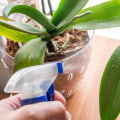
Orchids are among the most diverse and captivating plants in the world, boasting over 25,000 species and countless hybrids. These stunning flowers are not just beautiful; they also possess unique characteristics that set them apart from other plants. With their intricate shapes and vibrant colors, orchids have captured the hearts of plant enthusiasts and casual gardeners alike. Understanding what makes orchids special is the first step in providing them with the care they need to thrive. One of the most fascinating aspects of orchids is their adaptability.
They can be found in a variety of environments, from tropical rainforests to arid deserts. This adaptability has led to a wide range of types, including popular varieties like Phalaenopsis, Cattleya, and Dendrobium. Each type has its own specific needs and characteristics, making it essential for orchid owners to familiarize themselves with the particular requirements of their chosen species. Orchids are characterized by their unique flower structure, which typically features three outer petals and three inner petals, with one petal often modified into a lip or labellum. This distinctive morphology not only contributes to their beauty but also plays a crucial role in their reproduction by attracting pollinators.
Understanding these characteristics is vital for anyone looking to cultivate orchids successfully. By grasping the basics of orchid biology and the different types available, you can lay a solid foundation for effective orchid care, ensuring that your plants flourish and bloom beautifully.
Choosing the Right Orchid for Your Home
When it comes to orchid care tips, selecting the right type of orchid for your home is crucial, especially for beginners. Not all orchids are created equal, and some are more forgiving than others when it comes to care requirements.Best Orchids for Beginners
- Phalaenopsis Orchids: Often referred to as "moth orchids," these are among the easiest orchids to grow. They thrive in low light and require minimal care, making them perfect for beginners.
- Cattleya Orchids: Known for their stunning blooms, Cattleyas are also relatively easy to care for.
They prefer bright light and can tolerate some neglect, which is ideal for those new to orchid care.
- Dendrobium Orchids: These orchids are versatile and can adapt to various indoor conditions. They do well in moderate light and require regular watering during their growing season.
Indoor Orchids Selection Tips
- Assess Your Environment: Before choosing an orchid, consider the lighting conditions in your home. Most orchids prefer bright, indirect sunlight, so a spot near a window is often ideal.
- Humidity Levels: Orchids thrive in humid environments. If your home is dry, consider placing a humidifier nearby or grouping plants together to create a microclimate.
- Potting Medium: Ensure you select an orchid that comes in an appropriate potting medium.
Orchids typically need a well-draining mix, such as bark or sphagnum moss, to prevent root rot.
Optimal Growing Conditions for Orchids
To ensure your orchids thrive, understanding their optimal growing conditions is crucial. This includes the right balance of light, temperature, and humidity.Light Requirements for Orchids
Orchids generally prefer bright, indirect light. Direct sunlight can scorch their leaves, while too little light can hinder their growth. A good rule of thumb is to place your orchids near a window that receives filtered light.If you notice the leaves turning yellow, it may be a sign of too much light, whereas dark green leaves could indicate insufficient light.
Temperature for Orchids
The ideal temperature for most orchids ranges between 65°F to 75°F (18°C to 24°C) during the day and slightly cooler at night. Some varieties may tolerate higher or lower temperatures, but sudden temperature fluctuations should be avoided as they can stress the plant. Maintaining a consistent temperature will promote healthy growth and flowering.Humidity Levels for Orchids
Orchids thrive in environments with high humidity levels, ideally between 40% to 70%. If your home is dry, especially during winter months, consider using a humidifier or placing a tray of water with pebbles beneath the pot to increase moisture in the air.Regular misting can also help, but be cautious not to overdo it as excessive moisture can lead to root rot.By providing the right light, temperature, and humidity, you can create an ideal environment for your orchids to flourish and bloom beautifully.
Watering Techniques for Orchids
Watering is a crucial aspect of orchid care, and understanding the right techniques can significantly enhance the health and longevity of your plants. Here are some essential watering techniques for orchids that every enthusiast should know.How to Water Orchids
When it comes to watering orchids, the method is just as important as the frequency. The best approach is to water your orchids thoroughly, allowing water to flow through the drainage holes of the pot. This ensures that the roots receive adequate moisture while preventing water from sitting at the bottom, which can lead to root rot.- Use room temperature water: Cold water can shock the roots, so always use water that is at room temperature.
- Avoid overhead watering: Instead of spraying water directly onto the leaves, focus on watering the medium to prevent fungal issues.
- Consider using distilled or rainwater: Tap water may contain chemicals that can harm orchids over time.
Watering Frequency
The frequency of watering depends on several factors, including the type of orchid, the potting medium, and environmental conditions such as humidity and temperature.As a general rule:
- Water every 1-2 weeks during the growing season (spring and summer).
- Reduce watering in fall and winter when most orchids enter a dormant phase.
Signs of Overwatering
Overwatering is one of the most common mistakes made by orchid owners. Recognizing the signs early can save your plant from serious damage:- Yellowing leaves: If you notice leaves turning yellow, it may indicate that your orchid is receiving too much water.
- Mushy roots: Healthy roots should be firm and green; mushy or brown roots are a sign of rot.
- Mold or fungus: The presence of mold on the surface of the potting medium can also indicate excessive moisture.
Fertilizing Your Orchids: What You Need to Know
When it comes to orchid care tips, understanding how to properly fertilize your orchids is crucial for their health and blooming potential. The right fertilizer can make a significant difference in the growth and flowering of your plants.Best Fertilizer for Orchids
- Balanced Fertilizers: Look for a balanced fertilizer with an N-P-K ratio of 30-10-10 or 20-20-20.
These ratios provide essential nutrients that promote healthy growth.
- Specialized Orchid Fertilizers: Many brands offer fertilizers specifically formulated for orchids, which often contain micronutrients that are beneficial for these unique plants.
- Organic Options: If you prefer organic gardening, consider using fish emulsion or seaweed extract, which can provide a gentle nutrient boost without the risk of over-fertilization.
Fertilizing Schedule
Establishing a consistent fertilizing schedule is key to maintaining healthy orchids. Here are some guidelines:
- Frequency: Fertilize your orchids every two weeks during the growing season (spring and summer) and reduce to once a month during the dormant period (fall and winter).
- Dilution: Always dilute the fertilizer to half the recommended strength to avoid burning the roots.
Orchid Feeding Tips
- Watering Before Fertilizing: Water your orchids thoroughly before applying fertilizer. This helps prevent root burn and ensures that the nutrients are absorbed effectively.
- Avoid Over-Fertilization: Less is often more when it comes to fertilizing orchids. Over-fertilization can lead to salt buildup in the potting medium, which can harm your plants.
- Observe Your Orchids: Pay attention to your orchids' growth patterns.
If they are not blooming or showing signs of distress, consider adjusting your fertilization routine.
Repotting Orchids: When and How to Do It
Repotting orchids is a crucial aspect of orchid care that ensures your plants remain healthy and vibrant. Knowing when and how to repot can significantly impact their growth and flowering. Here are some signs that indicate your orchid may need repotting:- Roots Outgrowing the Pot: If you notice roots growing out of the drainage holes or circling around the pot, it’s time to repot.
- Decomposed Potting Mix: If the potting medium appears broken down or has a foul smell, it can hinder water drainage and air circulation.
- Stunted Growth: If your orchid has stopped growing or blooming, it may be due to a lack of nutrients in the old potting mix.
- Visible Algae or Mold: The presence of algae or mold on the surface of the potting mix is a sign that it needs to be replaced.
- Choose the Right Time: The best time to repot orchids is after they finish blooming, typically in spring or early summer.
- Select an Appropriate Pot: Use a pot that is slightly larger than the current one, ensuring it has adequate drainage holes.
- Prepare the Potting Mix: Use a high-quality orchid potting mix, which usually consists of bark, sphagnum moss, and perlite. This mix provides excellent drainage and aeration.
- Remove the Orchid: Gently take the orchid out of its current pot.
Be careful not to damage the roots. Trim any dead or rotting roots with sterilized scissors.
- Add Fresh Mix: Place a layer of fresh potting mix at the bottom of the new pot. Position the orchid in the center and fill around it with more mix, ensuring that the roots are well-covered but not buried too deep.
- Water Sparingly: After repotting, wait about a week before watering to allow any damaged roots to heal.
Common Orchid Pests and Diseases: Prevention and Treatment
Orchids, while stunning and exotic, are susceptible to a variety of pests and diseases that can threaten their health. Understanding these common issues is crucial for effective orchid care.Common Orchid Pests
- Mealybugs: These small, white, cotton-like insects suck the sap from your orchids, leading to yellowing leaves and stunted growth.
Regularly inspect your plants and remove them with a cotton swab dipped in alcohol.
- Scale: Scale insects appear as small bumps on stems and leaves. They can be treated with insecticidal soap or by gently scraping them off with a soft brush.
- Aphids: These tiny green or black insects can cluster on new growth. They can be controlled with neem oil or insecticidal soap.
- Spider Mites: Often found in dry conditions, spider mites create fine webs and cause leaf discoloration. Increase humidity around your orchids and use miticides if necessary.
Common Orchid Diseases
- Root Rot: Caused by overwatering or poor drainage, root rot leads to mushy roots and wilting leaves.
Ensure your potting medium is well-draining and allow the plant to dry out between waterings.
- Fungal Infections: These can manifest as spots on leaves or stems. To prevent fungal diseases, avoid overhead watering and ensure good air circulation around your orchids.
- Bacterial Soft Rot: This disease causes a foul smell and mushy tissue. Remove affected areas immediately and treat with a bactericide if necessary.
If you notice any issues, act quickly to treat them before they escalate. By staying vigilant and informed about common orchid pests and diseases, you can enjoy the beauty of your orchids for years to come.
Frequently Asked Questions About Orchid Care
When it comes to orchid care, many enthusiasts have questions that can help them nurture their plants effectively. Here are some of the most frequently asked questions regarding orchid care tips.What is the best way to water orchids?
Watering is crucial for orchid health. It’s generally recommended to water your orchids once a week, allowing the potting medium to dry out slightly between waterings.Always check the moisture level by sticking your finger about an inch into the medium; if it feels dry, it’s time to water.
How much light do orchids need?
Orchids thrive in bright, indirect light. A south or east-facing window is ideal. If you notice the leaves turning yellow, it may be a sign of too much direct sunlight. Conversely, dark green leaves can indicate insufficient light.What should I do if my orchid is not blooming?
If your orchid isn’t blooming, it could be due to several factors:- Light: Ensure it’s receiving adequate light.
- Temperature: Orchids often need a temperature drop at night to trigger blooming.
- Fertilization: Use a balanced fertilizer during the growing season to encourage blooms.
How can I tell if my orchid is overwatered?
Signs of overwatering include yellowing leaves, wilting, and root rot.If you suspect overwatering, check the roots; healthy roots are firm and green, while rotting roots appear brown and mushy. Adjust your watering schedule accordingly.
What pests should I watch for?
Pests like aphids, mealybugs, and spider mites can affect orchids. Regularly inspect your plants and treat infestations promptly with insecticidal soap or neem oil.By addressing these common orchid care FAQs, you can enhance your understanding and improve your orchid-growing experience. Remember that each orchid species may have specific needs, so always consider the unique requirements of your particular plant.Conclusion: Key Takeaways for Successful Orchid Care
In summary, successful orchid care hinges on understanding the unique needs of these beautiful plants.By following the essential tips outlined in this article, you can create an environment where your orchids can thrive.
- Light: Ensure your orchids receive the right amount of light, ideally bright, indirect sunlight. Too much direct sunlight can scorch their leaves, while too little can hinder blooming.
- Watering: Water your orchids thoroughly but infrequently. Allow the potting medium to dry out slightly between waterings to prevent root rot.
- Humidity: Maintain a humidity level of 40-70%. You can achieve this by misting the plants or placing a humidity tray filled with water and pebbles beneath them.
- Fertilization: Use a balanced orchid fertilizer every two to four weeks during the growing season to provide essential nutrients.
- Repotting: Repot your orchids every one to two years to refresh the potting medium and promote healthy growth.
Remember that each orchid species may have specific requirements, so always research the particular needs of your variety for optimal results.