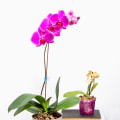
When it comes to orchid care, understanding the unique needs of these beautiful plants is essential for their health and longevity. Unlike many houseplants, orchids have specific requirements that, if not met, can lead to poor growth or even death. One of the most critical aspects of orchid maintenance is proper watering, which can be a bit tricky due to their delicate nature. Watering orchids correctly involves more than just pouring water into the pot. It requires a thoughtful approach to ensure that the roots receive adequate moisture while avoiding water on the leaves, which can lead to fungal infections and other issues.
This is where effective watering techniques come into play. By mastering these methods, you can create an optimal environment for your orchids to thrive. In this article, we will explore various orchid care tips, focusing specifically on how to water your orchids without getting the leaves wet. Whether you are a seasoned orchid enthusiast or a beginner looking to enhance your plant care skills, understanding these techniques will help you maintain vibrant and healthy orchids in your home.
Why Keeping Leaves Dry is Crucial for Orchids
Keeping the leaves of your orchids dry is essential for maintaining their overall health and preventing diseases. Orchids are particularly susceptible to fungal infections and rot, which can thrive in moist environments.When water accumulates on the leaves, it creates a perfect breeding ground for these pathogens.
Why Keep Orchid Leaves Dry?
- Disease Prevention: Wet leaves can lead to issues such as leaf spot, powdery mildew, and other fungal diseases. These conditions can weaken the plant and, if left untreated, may result in the death of the orchid.
- Leaf Health: Excess moisture on the leaves can cause them to become soft and mushy, leading to crown rot. Healthy leaves should be firm and vibrant, indicating that the plant is thriving.
- Photosynthesis Efficiency: Water droplets on leaves can block sunlight, reducing the plant's ability to photosynthesize effectively. This can stunt growth and affect flowering.
For instance, watering directly into the potting medium rather than overhead can help keep the foliage dry. Additionally, watering in the morning allows any residual moisture on the leaves to evaporate throughout the day.In summary, keeping orchid leaves dry is a critical aspect of orchid care. By preventing moisture accumulation on the foliage, you not only protect your plants from diseases but also promote their overall vitality and longevity.
Best Watering Techniques for Orchids
When it comes to watering orchids, avoiding wet leaves is crucial for maintaining their health and preventing diseases. Here are some effective techniques to ensure your orchids receive the moisture they need without compromising their foliage.Bottom Watering
One of the most effective methods is bottom watering.This technique involves placing the orchid pot in a shallow tray or basin filled with water. The plant will absorb moisture through the drainage holes at the bottom of the pot. This method not only keeps the leaves dry but also encourages healthy root growth as they reach down for water.
Using a Watering Can with Precision
If you prefer using a watering can, aim for precision. Use a narrow spout to direct water straight to the potting medium, avoiding the leaves entirely.Water slowly and evenly, allowing the medium to absorb moisture without splashing onto the foliage.
Self-Watering Pots
Consider investing in self-watering pots. These pots have a reservoir at the bottom that allows orchids to take up water as needed. This method minimizes the risk of overwatering and keeps leaves dry, making it an excellent choice for busy plant owners.Watering Schedule
Establishing a consistent watering schedule is also essential. Orchids generally prefer to dry out slightly between waterings.Check the potting medium; if it feels dry an inch below the surface, it’s time to water. This practice not only prevents leaf wetness but also helps avoid root rot.By implementing these watering techniques, you can ensure your orchids thrive while keeping their leaves healthy and dry. Remember, proper orchid care tips extend beyond just watering; they encompass light, humidity, and temperature considerations as well.
Tools and Equipment for Effective Orchid Watering
When it comes to watering orchids without wetting the leaves, having the right tools and equipment can make all the difference. Here are some essential tools that can enhance your orchid care routine:- Watering Can with a Narrow Spout: A watering can designed with a narrow spout allows for precise watering.
This helps direct water straight to the roots and avoids splashing onto the leaves.
- Dropper or Syringe: For those who prefer a more controlled approach, using a dropper or syringe can be effective. This method is particularly useful for smaller pots or delicate orchids, ensuring that water reaches the roots without touching the foliage.
- Self-Watering Pots: These pots come with a reservoir that allows orchids to absorb moisture as needed. This minimizes the need for frequent watering and reduces the risk of leaf wetness.
- Misting Bottle: While misting is generally not recommended for orchids, a fine mist can be beneficial in maintaining humidity levels. Just be cautious to avoid getting water on the leaves.
- Moisture Meter: A moisture meter can help you determine when your orchid needs water.
By ensuring you only water when necessary, you can avoid excess moisture that could lead to leaf wetness.
Frequency and Timing of Watering Orchids
When it comes to orchid care tips, understanding the frequency and timing of watering is crucial for maintaining healthy plants. Orchids thrive in environments where their roots can absorb moisture without becoming waterlogged, so establishing a proper watering schedule is essential.How Often to Water Orchids
- Generally, orchids should be watered every 7 to 10 days, but this can vary based on several factors such as the type of orchid, potting medium, and environmental conditions.
- During the growing season (spring and summer), you may need to water more frequently, while in the dormant season (fall and winter), reduce watering to every 10 to 14 days.
- Always check the moisture level of the potting medium before watering.
If it feels dry about an inch below the surface, it’s time to water.
Best Time to Water Orchids
- The best time to water orchids is in the morning. This allows excess moisture on the leaves to evaporate throughout the day, reducing the risk of fungal infections.
- Avoid watering in the evening or at night, as this can leave the leaves damp for extended periods, creating a breeding ground for pests and diseases.
- If you must water later in the day, ensure that you direct water towards the roots and avoid splashing on the leaves.
Orchid Watering Schedule
- Create a consistent watering schedule based on your observations. Mark your calendar or set reminders to help you stay on track.
- Consider using a moisture meter for more precise readings of when your orchids need water.
- Keep an eye on environmental changes; factors like humidity and temperature can affect how quickly your orchids dry out.
Common Mistakes to Avoid When Watering Orchids
Watering orchids can be a delicate process, and many enthusiasts make common mistakes that can lead to wet leaves, which can cause fungal infections and other issues. Here are some common orchid watering errors to avoid:- Watering from Above: One of the most frequent mistakes is watering orchids from above, allowing water to pool on the leaves.
Instead, aim to water the roots directly by using a watering can with a narrow spout or a hose attachment that allows for precision.
- Overwatering: Orchids are sensitive to overwatering, which can lead to root rot and excess moisture on the leaves. Ensure that the potting medium is dry before watering again. A good rule of thumb is to check the moisture level by sticking your finger into the medium.
- Using Cold Water: Cold water can shock orchid roots and lead to stress. Always use room temperature water when watering your orchids to promote healthy growth.
- Ignoring Humidity Levels: While it’s important to keep leaves dry, orchids thrive in humid environments.
If your home is dry, consider using a humidity tray or misting the air around the plant (but not the leaves) to maintain optimal humidity levels.
- Watering Too Frequently: Many orchid owners mistakenly believe that frequent watering is beneficial. In reality, orchids prefer a less frequent watering schedule. Depending on your environment, watering every 1-2 weeks may be sufficient.
FAQs About Watering Orchids Without Wetting Leaves
Watering orchids without wetting their leaves is a common concern among orchid enthusiasts.Here are some frequently asked questions that can help clarify the best practices for keeping your orchids healthy and thriving.
How often should I water my orchids?
The frequency of watering depends on several factors, including the type of orchid, the potting medium, and the environment. Generally, orchids should be watered every 1 to 2 weeks. However, it’s essential to check the moisture level of the potting medium before watering. If it feels dry an inch below the surface, it’s time to water.What is the best method to water orchids?
- Bottom watering: Place the pot in a shallow dish of water and let it soak for about 15-30 minutes.
This method allows the roots to absorb moisture without wetting the leaves.
- Using a watering can: Directly pour water onto the potting medium while avoiding the leaves. Aim for the edges of the pot to ensure even distribution.
- Spray bottle: If you prefer misting, use a fine spray bottle to lightly mist the potting medium while keeping the leaves dry.
Why is it important to keep orchid leaves dry?
Keeping orchid leaves dry is crucial because excess moisture can lead to fungal infections and rot. Orchids are epiphytes, meaning they naturally grow in environments where air circulation is good. Wet leaves can hinder this airflow and create a breeding ground for pests and diseases.Can I use ice cubes to water my orchids?
Using ice cubes is a debated method among orchid growers.While some find it convenient, it’s essential to ensure that the ice melts slowly enough to provide adequate moisture without shocking the roots. If you choose this method, limit it to one or two cubes per week, depending on your orchid's needs.By following these orchid care tips, you can effectively manage your watering routine while keeping your orchid leaves healthy and free from moisture-related issues.
Conclusion: Mastering Orchid Care Through Proper Watering Techniques
In conclusion, mastering the art of orchid care hinges significantly on understanding and implementing proper watering techniques. As we have explored, keeping the leaves dry while ensuring the roots receive adequate moisture is crucial for the health and longevity of your orchids. To recap, here are the essential tips for watering your orchids effectively:- Watering Schedule: Establish a consistent watering routine based on your orchid's specific needs, taking into account factors such as humidity and temperature.
- Watering Method: Utilize methods like bottom watering or using a watering can with a narrow spout to direct water precisely at the roots.
- Drainage: Ensure that your pots have proper drainage holes to prevent water from pooling, which can lead to root rot.
- Humidity Levels: Maintain appropriate humidity levels around your orchids, as this can influence how often you need to water them.
With patience and practice, you will become adept at providing the right amount of water without compromising the health of the leaves. Ultimately, proper watering techniques not only enhance the beauty of your orchids but also contribute to their overall vitality and resilience.