Orchids are among the most diverse and captivating plants in the botanical world, boasting over 25,000 species and countless hybrids. Their unique beauty and intricate structures make them a favorite among plant enthusiasts. However, orchid care tips extend beyond mere admiration; understanding their specific needs is crucial for successful cultivation. Unlike many houseplants, orchids have evolved to thrive in specific environments, often requiring tailored care to flourish. One of the most critical aspects of orchid potting needs is selecting the right pot.
Orchids are epiphytic by nature, meaning they typically grow on trees rather than in soil. This characteristic influences their potting requirements significantly. A standard pot filled with regular potting soil can suffocate an orchid's roots, leading to poor health or even death. Instead, choosing a pot that allows for excellent drainage and airflow is essential for maintaining healthy roots. Additionally, different types of orchids have varying potting preferences.
For instance, Phalaenopsis orchids thrive in a bark-based medium that mimics their natural habitat, while other varieties may prefer sphagnum moss or a combination of materials. Understanding these nuances not only enhances your orchid's growth but also enriches your experience as a grower. By delving into the unique characteristics of your chosen orchid type and its specific potting needs, you set the foundation for a thriving plant that can bring beauty and joy to your home.
Why Pot Choice Matters for Orchids
Choosing the right pot for your orchids is a critical aspect of orchid care that can significantly impact their health and growth. Orchids are unique plants that have specific needs, and the pot you select plays a vital role in meeting those requirements.Drainage
is one of the most important factors to consider when selecting a pot for your orchid.
Unlike many other houseplants, orchids do not thrive in soggy soil. They require a pot that allows excess water to drain away quickly, preventing root rot. Look for pots with multiple drainage holes at the bottom to ensure that water can escape easily.Another crucial aspect is air circulation. Orchids naturally grow in environments where their roots are exposed to air, such as in tree bark or on rocks.
Therefore, using a pot that promotes airflow around the roots is essential. Consider using pots made from materials like clay or plastic with slits or mesh sides, which allow for better air exchange.
Root growth
is also influenced by pot size. A pot that is too small can restrict root development, while one that is too large may retain excess moisture. Ideally, choose a pot that allows the roots to fit comfortably without crowding but isn’t so large that it holds onto water longer than necessary.
- Tip: When repotting, select a pot that is only slightly larger than the current one to encourage healthy root growth.
- Tip: Always use a well-draining orchid mix to complement your pot choice.
By prioritizing drainage, air circulation, and appropriate sizing, you can create an optimal environment for your orchids to thrive.
Types of Pots Suitable for Orchids
When it comes to orchid care tips, selecting the right pot is crucial for the health and growth of your orchids. Different types of pots offer various benefits and drawbacks, making it essential to choose one that suits your specific orchid species and growing conditions.Plastic Pots
Plastic pots are a popular choice among orchid enthusiasts due to their lightweight nature and affordability. They retain moisture well, which can be beneficial for orchids that prefer a humid environment. However, they may not provide adequate drainage if not designed with sufficient holes.Always check for proper drainage when selecting plastic pots.
Ceramic Pots
Ceramic pots, especially those with drainage holes, are another excellent option for orchids. They offer a more aesthetically pleasing look and can help regulate temperature and moisture levels. However, they are heavier than plastic pots and can be more expensive. Additionally, ceramic can retain moisture longer, so it's important to monitor watering closely to avoid root rot.Net Pots
Net pots are specifically designed for orchids and are ideal for those who prefer a more open growing medium.These pots allow for excellent air circulation around the roots, which is vital for healthy growth. They also promote faster drying of the medium, reducing the risk of overwatering. However, net pots may require more frequent watering due to their quick drying nature.
Choosing the Right Pot
Ultimately, the best pot for your orchid will depend on its specific needs and your growing environment. Consider factors such as drainage, moisture retention, and weight when making your decision.By understanding the pros and cons of each type of pot, you can provide your orchids with the optimal conditions they need to thrive.
Choosing the Right Size Pot for Your Orchid
Choosing the right pot size for your orchid is crucial for its health and growth. An orchid pot size guide can help you determine the best fit based on your orchid's specific needs. Generally, orchids prefer to be slightly root-bound, so selecting a pot that is too large can lead to overwatering and root rot.When sizing an orchid pot, consider the following:- Growth Stage: Young orchids typically require smaller pots, while mature orchids may need larger ones. A good rule of thumb is to choose a pot that is 1-2 inches larger in diameter than the current pot for repotting.
- Type of Orchid: Different types of orchids have varying root systems.
For example, Phalaenopsis orchids thrive in pots that allow for good drainage and airflow, while Cattleyas may need deeper pots to accommodate their longer roots.
- Material: The material of the pot can also affect size selection. Clay pots are heavier and provide better stability, while plastic pots are lighter and may require a larger size to ensure stability.
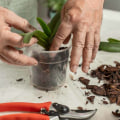
- Choose the Right Time: The best time to repot is after blooming, as this allows the plant to focus on root growth.
- Prepare Your Materials: Gather a new pot (1-2 inches larger), fresh orchid potting mix, and sterilized tools.
- Remove the Orchid: Gently take the orchid out of its current pot, being careful not to damage the roots.
- Trim Dead Roots: Inspect the roots and trim any dead or rotting roots with sterilized scissors.
- Add Fresh Medium: Place a layer of fresh potting mix at the bottom of the new pot, position your orchid, and fill in around it with more mix, ensuring it’s secure but not overly compacted.
Potting Mix: Complementing Your Pot Choice
Choosing the right potting mix is crucial for the health and growth of your orchids.Different orchid species have unique needs, and pairing them with the appropriate potting mix can significantly enhance their vitality. Here are some common orchid potting mix options to consider:
- Bark-based mixes: These are popular for many epiphytic orchids, such as Phalaenopsis and Cattleya. The chunky texture allows for excellent aeration and drainage, preventing root rot.
- Sphagnum moss: Ideal for orchids that prefer a more moisture-retentive environment, such as Paphiopedilum. This mix helps maintain humidity while still providing some air circulation.
- Coconut coir: A sustainable alternative to peat moss, coconut coir retains moisture well and provides good drainage.
It’s suitable for a variety of orchids.
- Perlite and vermiculite: These lightweight materials can be added to other mixes to improve aeration and drainage. They are particularly beneficial for orchids that require a drier environment.
Adjusting the potting mix based on seasonal changes or growth stages can further optimize their health. Remember, proper orchid care tips extend beyond just watering; they encompass every aspect of your orchid's environment, including the potting mix you choose.
Common Mistakes in Orchid Potting and How to Avoid Them
When it comes to orchid care tips, potting is a crucial step that can significantly impact the health of your plants. However, many growers, both novice and experienced, often make common mistakes that can hinder their orchids' growth. Here are some frequent errors in orchid potting and how to avoid them:- Using the Wrong Potting Medium: Orchids thrive in well-draining media.
Using regular potting soil can suffocate the roots. Instead, opt for a mix specifically designed for orchids, which typically includes bark, sphagnum moss, or perlite.
- Choosing an Inappropriate Pot: The type of pot you select is vital. Clear plastic pots allow you to monitor root health and moisture levels, while clay pots provide excellent aeration. Avoid pots that are too deep or narrow, as they can retain excess moisture.
- Packing the Medium Too Tightly: When potting your orchid, it’s essential not to pack the medium too tightly.
This can restrict airflow to the roots and lead to rot. Instead, gently place the medium around the roots, allowing for some air pockets.
- Ignoring Drainage Holes: Proper drainage is critical for orchid health. Ensure your pot has adequate drainage holes to prevent water from pooling at the bottom. If using a decorative pot without holes, consider placing your orchid in a plastic pot with holes and then into the decorative one.
- Repotting Too Frequently: While repotting is necessary every couple of years or when the medium breaks down, doing it too often can stress your orchid.
Monitor your plant’s growth and only repot when necessary.
FAQs About Orchid Potting and Care
When it comes to orchid care, many enthusiasts have questions about potting and the best practices to ensure their orchids thrive. Here are some frequently asked questions that can help guide you in your orchid journey.What type of pot is best for orchids?
Orchids require specific conditions to flourish, and the type of pot you choose plays a crucial role. Generally, plastic pots with drainage holes are popular because they retain moisture while allowing excess water to escape.However, clay pots are also a great option as they provide excellent aeration and help prevent overwatering.
Should I use a clear pot for my orchids?
Using a clear pot can be beneficial for certain types of orchids, especially those that thrive on light. Clear pots allow you to monitor the root health and moisture levels easily. Just ensure that the pot has adequate drainage to prevent root rot.How often should I repot my orchids?
Orchids typically need repotting every 1-2 years, depending on their growth rate and the condition of the potting medium. If you notice that the medium is breaking down or if roots are growing out of the pot, it’s time to repot.What kind of potting medium should I use?
The choice of potting medium is just as important as the pot itself.A well-draining mix is essential for orchid health. Common options include:
- Bark chips: Provides excellent aeration and drainage.
- Sphagnum moss: Retains moisture but should be used sparingly to avoid root rot.
- Coconut husk: Offers good drainage and moisture retention.
Can I use regular potting soil for orchids?
No, regular potting soil is not suitable for orchids as it retains too much moisture and can lead to root rot. Always opt for a specialized orchid mix that caters to their unique needs.By addressing these common orchid care FAQs, you can enhance your understanding of how to properly care for your orchids and ensure they remain healthy and vibrant.Conclusion: Key Takeaways for Successful Orchid Care
In conclusion, selecting the right pot for your orchids is crucial for their overall health and vitality. The type of pot you choose can significantly impact orchid care, influencing factors such as drainage, air circulation, and moisture retention. Here are some key takeaways to remember:- Drainage is essential: Always opt for pots with adequate drainage holes to prevent waterlogging, which can lead to root rot.
- Material matters: Consider using clay pots for better air circulation or plastic pots for moisture retention, depending on your orchid's specific needs.
- Size is important: Choose a pot that allows for growth but isn’t excessively large, as this can hinder proper moisture management.
- Repotting frequency: Regularly check your orchids and repot them every 1-2 years to refresh the growing medium and provide ample space for root development.
Remember that each orchid species may have unique requirements, so always consider their specific needs when selecting a pot. With the right potting strategy and care practices, your orchids will thrive and bring beauty to your home for years to come.