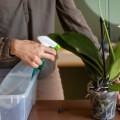
Understanding orchid growth patterns is essential for any enthusiast looking to provide optimal care for these stunning plants. Orchids are unique in their growth habits, often exhibiting a variety of forms depending on the species. Most orchids grow from a central stem, known as a pseudobulb, which stores nutrients and water, allowing the plant to thrive in its natural habitat. As the orchid matures, its stem develops and can become quite tall, necessitating proper support to prevent bending or breaking. As you observe your orchid's stem development, you'll notice that it may produce multiple growths or spikes, each leading to beautiful blooms.
This growth can be vigorous, and without adequate support, the weight of the flowers can cause the stem to lean or snap. Understanding how orchids grow not only helps in providing physical support but also informs watering and fertilization practices that promote healthy development. In addition to physical support, recognizing the specific needs of your orchid species is crucial. Some orchids prefer to climb, while others may spread out horizontally. By tailoring your support methods to these growth patterns, you can ensure that your orchid remains healthy and vibrant throughout its lifecycle.
In the following sections, we will delve deeper into practical orchid care tips that will help you provide the right environment and support for your growing orchids.
Why Supporting an Orchid's Stem is Important
Supporting an orchid's stem is crucial for several reasons that directly impact the plant's health and longevity. Orchids, known for their delicate beauty, require proper care to thrive, and stem support plays a significant role in this process.One of the primary reasons for providing support is to prevent physical damage. As orchids grow, their stems can become heavy with blooms and foliage. Without adequate support, the weight can cause the stem to bend or break, leading to irreversible damage.This not only affects the current growth but can also hinder future blooming cycles.Additionally, supporting the stem helps maintain proper air circulation around the plant. Good airflow is essential for preventing fungal infections and other diseases that can arise from stagnant moisture. When stems are supported upright, it allows leaves to spread out and receive adequate light, which is vital for photosynthesis.Moreover, a well-supported orchid is less susceptible to pests. Insects often target weak or damaged plants, so maintaining a strong structure can help keep these threats at bay.
A healthy orchid with a sturdy stem is more likely to resist infestations and recover from any potential issues.In summary, supporting an orchid's stem is not just about aesthetics; it is a fundamental aspect of orchid care. By ensuring that your orchid has the necessary support, you are investing in its overall health and enhancing its ability to flourish in your home or garden.
Choosing the Right Support for Your Orchid
When it comes to supporting your orchid's stem as it grows, choosing the right support is crucial for its health and stability. Different types of orchids may require different support systems, depending on their growth habits and environmental conditions.Types of Orchid Supports
- Stakes: These are one of the most common supports for orchids. Bamboo stakes are particularly popular due to their strength and natural appearance.
They can be inserted into the potting medium to provide vertical support for taller varieties.
- Trellises: Ideal for climbing orchids, trellises offer a broader support structure. They allow the plant to grow upwards while providing ample space for air circulation, which is essential for preventing mold and rot.
- Wire Supports: Flexible wire can be shaped to fit the needs of your orchid. This option is great for delicate stems that need gentle support without constricting growth.
- Netting or Mesh: For orchids that naturally cling to surfaces, using netting can mimic their natural habitat. This allows roots to attach while providing stability.
Selecting the Best Option
When selecting a support system, consider the type of orchid you have and its current growth stage.For instance, young orchids may benefit from shorter stakes that can be adjusted as they grow taller. In contrast, mature orchids with extensive root systems might require more robust trellises or mesh supports.Additionally, ensure that any support you choose does not impede the orchid's natural growth pattern. The goal is to provide stability while allowing the plant to thrive in its unique way. Regularly check the support system as your orchid grows, making adjustments as necessary to accommodate its changing needs.By understanding the various types of orchid supports available and how they align with your specific orchid's requirements, you can effectively promote healthy growth and stunning blooms.
How to Properly Support an Orchid's Stem
Supporting an orchid's stem is crucial for its growth and overall health.As orchids grow, their stems can become weak or leggy, making them susceptible to breakage. Here’s a step-by-step guide on how to effectively support your orchid's stem.
- Choose the Right Support Material: Select a support material that is gentle on the plant. Common options include bamboo stakes, plastic stakes, or even soft ties. Avoid materials that can damage the stem or restrict growth.
- Assess the Stem's Needs: Before applying any support, examine the orchid's stem.
If it is leaning or drooping significantly, it will require immediate support. Look for signs of weakness or instability.
- Insert the Support: Gently insert your chosen stake into the potting medium, being careful not to disturb the roots. The stake should be placed close to the stem but not touching it directly to avoid injury.
- Secure the Stem: Use soft ties or garden twine to gently secure the stem to the stake. Make sure not to tie it too tightly; you want to allow for some movement as the plant grows.
A loose fit will prevent damage while still providing necessary support.
- Monitor Growth: Regularly check your orchid to ensure that it is growing properly and that the support remains effective. As the plant grows taller, you may need to adjust the ties or add additional supports.
Common Mistakes in Supporting Orchid Stems
Supporting orchid stems is crucial for their growth and overall health, yet many gardeners make common mistakes that can hinder their development. Understanding these errors can help you provide better orchid care tips and ensure your plants thrive.- Using Inappropriate Support Materials: One of the most frequent mistakes is using materials that are too rigid or heavy.
Sticks or wires that are not flexible can damage the delicate stems. Instead, opt for lightweight bamboo stakes or soft ties that allow for some movement.
- Over-tightening Supports: Many gardeners tend to tie the stems too tightly to their supports. This can restrict growth and even cause injury to the plant. Always ensure that ties are snug but not constricting, allowing the stem to grow without obstruction.
- Neglecting to Adjust Support as the Plant Grows: As orchids grow, their support needs may change.
Failing to adjust the support system can lead to bending or breaking of the stem. Regularly check your orchids and reposition supports as necessary to accommodate their growth.
- Ignoring Environmental Factors: Some gardeners overlook how environmental conditions affect stem support. For instance, high humidity can weaken stems, making them more susceptible to bending. Ensure that your support system is robust enough to withstand these conditions.
- Not Providing Enough Support: Conversely, some may underestimate the need for support altogether.
Orchids with long, heavy blooms require adequate support to prevent them from toppling over. Always assess the weight of your orchid's flowers and provide sufficient support accordingly.
FAQs About Supporting Orchid Stems
Supporting orchid stems is crucial for their growth and overall health. Here are some frequently asked questions that can help you understand the best practices for providing support to your orchids.What materials can I use to support my orchid's stem?
There are several materials you can use to support your orchid's stem effectively:- Bamboo stakes: These are lightweight and sturdy, making them a popular choice for supporting taller orchid varieties.
- Plastic or metal stakes: These provide a more durable option and can be used for heavier blooms.
- Twist ties or soft ties: These are great for gently securing the stem without causing damage.
- Orchid clips: Specifically designed for orchids, these clips can hold the stem in place while allowing for growth.
When should I provide support to my orchid?
It's best to provide support as soon as you notice the stem starting to grow.This is typically when:
- The flower spike begins to emerge.
- The stem starts to lean or bend due to the weight of the blooms.
- You notice any signs of instability in the plant.
How do I attach the support without damaging the plant?
To attach the support safely:- Gently insert the stake into the potting medium, being careful not to disturb the roots.
- Use soft ties or twist ties to secure the stem, ensuring they are not too tight.
- Regularly check the ties as the plant grows, adjusting them as necessary to prevent constriction.
Conclusion: Key Takeaways for Orchid Stem Support
In conclusion, supporting an orchid's stem is crucial for its overall health and growth. By implementing the right techniques, you can ensure that your orchid thrives and produces beautiful blooms. Here are the key takeaways to remember:- Choose the right support method: Depending on the type of orchid, you may opt for stakes, clips, or even a trellis.
Each method has its advantages, so select one that best suits your orchid's needs.
- Monitor growth: Regularly check your orchid's growth and adjust the support as necessary. As the stem grows, it may require repositioning or additional support to prevent bending or breaking.
- Use gentle materials: When securing your orchid, use soft ties or clips that won’t damage the stem. Avoid using materials that can constrict growth or cause injury.
- Provide adequate light and care: A well-cared-for orchid will naturally develop a stronger stem. Ensure it receives the right amount of light, water, and nutrients to promote healthy growth.
- Be patient: Orchids can take time to grow and stabilize.
Patience is key as you provide support and care for your plant.