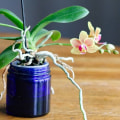
When it comes to orchid care, understanding the significance of humidity is crucial for nurturing these exquisite plants. Orchids, being epiphytes, thrive in environments that mimic their natural habitats—typically found in tropical and subtropical regions where humidity levels are consistently high. This moisture in the air is not just a luxury; it is a vital component that influences their overall health, growth, and blooming potential. Humidity plays a pivotal role in the physiological processes of orchids. It aids in water absorption through their leaves and roots, which is essential for photosynthesis and nutrient uptake.
Without adequate humidity, orchids can suffer from stress, leading to issues such as leaf drop, stunted growth, and even death. Therefore, maintaining optimal humidity levels is not merely an option but a necessity for anyone serious about orchid care.Moreover, understanding why humidity matters for orchids can help you create a more suitable environment for them. High humidity levels can enhance the plant's ability to absorb moisture and nutrients while also reducing the risk of pests and diseases that thrive in dry conditions. As we delve deeper into this article, we will explore effective strategies to increase humidity for your orchids, ensuring they flourish and bloom beautifully.
Ideal Humidity Levels for Orchids
Understanding the ideal humidity levels for orchids is crucial for their health and growth.Most orchids thrive in environments with humidity levels ranging from 40% to 70%. However, the specific requirements can vary depending on the type of orchid.
Phalaenopsis Orchids
, commonly known as moth orchids, prefer humidity levels around 50% to 70%. These orchids are popular among beginners due to their resilience and stunning blooms.
Cattleya Orchids
, on the other hand, do well in slightly lower humidity, typically around 40% to 60%. They are known for their large, fragrant flowers and can adapt to drier conditions better than some other varieties.
Dendrobium Orchids
thrive in a range of 40% to 60% humidity but may require higher levels during their growing season.
This adaptability makes them a favorite among orchid enthusiasts.For humidity-sensitive orchids, such as Masdevallia , maintaining a higher humidity level of around 60% to 80% is essential. These orchids are native to cloud forests and require consistent moisture in the air to flourish.To ensure your orchids receive the right amount of humidity, consider using a hygrometer to monitor levels in your growing environment. Additionally, here are some effective methods to increase humidity:
- Humidity trays: Place a shallow tray filled with water and pebbles beneath your orchid pots. As the water evaporates, it will increase the humidity around the plants.
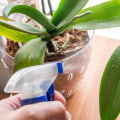
- Misting: Lightly misting your orchids can provide a quick boost in humidity, but be cautious not to overdo it, as excessive moisture can lead to fungal issues.
- Grouping plants: Cluster your orchids together; this creates a microenvironment with higher humidity due to transpiration.
- Humidifiers: Using a humidifier in your growing area can help maintain consistent humidity levels, especially during dry seasons.
Remember that each orchid type may have unique needs, so always tailor your care accordingly.
Signs Your Orchids Need More Humidity
Understanding the signs of low humidity in your orchids is crucial for their health and vitality. When orchids do not receive adequate moisture in the air, they exhibit several visual and physical symptoms that can help you identify the need for increased humidity.- Leaf Curling: One of the most noticeable signs is when the leaves begin to curl or become wrinkled. This curling often indicates that the plant is trying to conserve moisture.
- Brown Leaf Tips: If you notice that the tips of your orchid's leaves are turning brown and crispy, it’s a clear indication that the air is too dry. This condition can lead to further damage if not addressed.
- Dropping Flowers: Orchids that are shedding their blooms prematurely may be experiencing stress due to low humidity levels.
Healthy orchids should maintain their flowers for an extended period.
- Pseudobulb Shriveling: For orchids with pseudobulbs, such as Cattleyas, shriveling or wrinkling of these structures can signal insufficient humidity. Pseudobulbs store water, and when they appear dehydrated, it’s time to increase moisture levels.
- Mold or Mildew Growth: While this may seem counterintuitive, a lack of humidity can sometimes lead to mold or mildew on the surface of the potting medium. This occurs when the plant is stressed and unable to absorb moisture effectively.
Methods to Increase Humidity for Orchids
Maintaining the right humidity levels is crucial for the health of your orchids.Here are several effective methods to increase humidity around your plants:
- Humidity Trays: Place a shallow tray filled with water and pebbles beneath your orchids. As the water evaporates, it will create a humid microclimate around the plants. Ensure that the pots are not sitting directly in the water to prevent root rot.
- Group Your Orchids: Orchids naturally thrive in humid environments. By clustering your orchids together, they can share moisture through transpiration, effectively raising the humidity level in their immediate surroundings.
- Use a Humidifier: Investing in a humidifier can be a game-changer for your orchid care routine.
Set it up in the same room as your orchids to maintain consistent humidity levels, especially during dry seasons.
- Misting: Lightly misting your orchids with water can temporarily boost humidity. However, be cautious not to overdo it, as excessive moisture on leaves can lead to fungal issues. Aim to mist in the morning so that leaves dry out by evening.
- Bathroom Placement: If possible, place your orchids in a bathroom where humidity levels are typically higher due to showers and baths. Just ensure they receive adequate light from a window or grow light.
Remember to monitor humidity levels regularly, as different orchid species may have varying humidity requirements.
Using Humidifiers and Other Tools
Maintaining the right humidity levels is crucial for the health of your orchids, and using humidifiers can be one of the most effective ways to achieve this. When selecting a humidifier, consider models specifically designed for plant care, as they often provide a consistent level of moisture without excessive heat.Best Humidifiers for Orchids
- Ultrasonic Humidifiers: These devices use high-frequency vibrations to create a fine mist, which can quickly raise humidity levels. They are energy-efficient and quiet, making them ideal for indoor environments.
- Evaporative Humidifiers: These work by drawing air through a wet wick or filter, adding moisture to the air. They are self-regulating, meaning they will naturally adjust their output based on the humidity level in the room.
- Steam Vaporizers: While effective at increasing humidity, these can also raise the temperature in the room.
Use them cautiously to avoid overheating your orchids.
- Humidity Trays: Place a shallow tray filled with water and pebbles beneath your orchid pots. As the water evaporates, it will increase the humidity in the immediate area.
- Misting: Regularly misting your orchids with water can help maintain humidity levels. However, be cautious not to overdo it, as excessive moisture on leaves can lead to fungal issues.
- Grouping Plants: Placing your orchids close together can create a microclimate with higher humidity due to collective transpiration.
Natural Ways to Boost Humidity Indoors
Increasing humidity for your orchids can be achieved through several natural methods that enhance the indoor environment without the need for complex technology.Here are some effective strategies:
- Grouping Plants: One of the simplest ways to boost humidity is by clustering your orchids together. When plants are close, they create a microenvironment that retains moisture, benefiting all the orchids in the group.
- Water Trays: Place shallow trays filled with water and pebbles beneath your orchids. As the water evaporates, it will increase the humidity around the plants. Ensure that the pots are not sitting directly in the water to prevent root rot.
- Misting: Regularly misting your orchids can provide a quick boost in humidity.
Use a spray bottle to lightly mist the leaves and surrounding air, but avoid over-saturating them, as this can lead to fungal issues.
- Indoor Fountains: If you have space, consider adding a small indoor fountain. The moving water will naturally increase humidity levels while also creating a serene atmosphere.
- Household Humidity Sources: Utilize natural sources of humidity such as boiling water or cooking on the stove. The steam released during these activities can help raise humidity levels in your home.
By using these natural methods, you can create an ideal environment for your orchids to thrive.
Common Mistakes in Orchid Humidity Management
Managing humidity for your orchids is crucial for their health, yet many orchid owners make common mistakes that can hinder their growth. Understanding these pitfalls can help you provide better orchid care tips and create an optimal environment for your plants.- Ignoring Humidity Levels: One of the most frequent errors is neglecting to monitor humidity levels. Orchids thrive in environments with humidity levels between 40% and 70%. Using a hygrometer can help you keep track of these levels and adjust accordingly.
- Overwatering: While orchids need moisture, overwatering can lead to root rot and other issues.
Many owners mistakenly believe that increasing humidity means watering more frequently. Instead, focus on maintaining consistent moisture without saturating the roots.
- Inadequate Air Circulation: High humidity without proper air circulation can create a breeding ground for mold and pests. Ensure that your orchids are in a well-ventilated area or use fans to promote airflow, especially in humid conditions.
- Using the Wrong Humidifier: Not all humidifiers are suitable for orchids. Some may produce too much heat or not enough moisture.
Opt for cool-mist humidifiers or pebble trays filled with water to maintain the right humidity without overheating your plants.
- Placing Orchids in Direct Sunlight: Direct sunlight can dry out the air around your orchids, counteracting your humidity efforts. Instead, place them in bright, indirect light to help maintain a stable humidity level.
Frequently Asked Questions About Orchid Humidity
Maintaining the right humidity level is crucial for the health of your orchids. Here are some frequently asked questions regarding orchid humidity:- What is the ideal humidity level for orchids?
Most orchids thrive in humidity levels between 40% and 70%.However, specific species may have different requirements, so it's essential to research the needs of your particular orchid type.
- How can I measure humidity for my orchids?
Using a hygrometer is the most effective way to measure humidity levels in your growing environment. This tool provides accurate readings, helping you adjust conditions as needed. - What are some effective ways to increase humidity?
There are several methods to boost humidity around your orchids:- Place a humidifier in the room where your orchids are located.
- Create a humidity tray by filling a shallow dish with water and pebbles, then placing your orchid pots on top.
- Mist your orchids regularly, but be cautious not to overdo it, as excessive moisture can lead to fungal issues.
- Can I use a pebble tray for humidity?
Yes, a pebble tray is an excellent way to increase humidity. Just ensure that the bottom of the pot does not sit directly in water, as this can cause root rot. - Is it necessary to increase humidity during winter?
Yes, indoor heating can significantly lower humidity levels during winter months. It's advisable to monitor and adjust humidity accordingly to keep your orchids healthy.
Understanding these aspects will enhance your overall orchid care experience.
Conclusion: Mastering Humidity for Healthy Orchids
In conclusion, maintaining the right humidity levels is crucial for the health and vitality of your orchids. As we have discussed, orchids thrive in environments where humidity levels range between 40% and 70%. Achieving this can be a straightforward process if you implement the right strategies. Utilizing methods such as humidifiers, pebble trays, and regular misting can significantly enhance the moisture in the air around your plants. Each of these techniques offers unique benefits, allowing you to tailor your approach based on your specific environment and the needs of your orchids. Moreover, it’s essential to monitor humidity levels regularly.Investing in a hygrometer can provide you with accurate readings, ensuring that you can make adjustments as necessary. Remember that different orchid species may have varying humidity requirements, so always consider the specific needs of your plants. Lastly, don’t forget that proper air circulation is equally important. While humidity is vital, stagnant air can lead to issues such as mold and root rot. Combining humidity control with good airflow will create an optimal environment for your orchids to flourish. By mastering these orchid care tips, you will not only enhance the beauty of your orchids but also promote their overall health and longevity.
With patience and attention to detail, you can create a thriving habitat that allows your orchids to thrive and bloom beautifully.