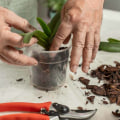
Fertilization is a crucial aspect of orchid care, playing a significant role in the overall health and vitality of these stunning plants. Orchids, known for their exotic beauty and diverse species, require specific nutrients to thrive. Understanding how to properly fertilize orchids can make the difference between a flourishing plant and one that struggles to survive. The right balance of nutrients not only promotes growth but also enhances flowering, ensuring that your orchids remain vibrant and healthy. However, while fertilization is essential, it is equally important to recognize the signs of over-fertilization.
Too much fertilizer can lead to nutrient burn, which manifests in various ways, such as yellowing leaves or stunted growth. This section will delve into the intricacies of orchid fertilization, providing you with valuable orchid care tips that will help you avoid common pitfalls. By learning how to identify the symptoms of over-fertilization, you can take proactive steps to maintain the health of your orchids. In the following sections, we will explore effective methods for fertilizing orchids, ensuring that you have all the knowledge needed to support your plants' growth without risking their well-being. Whether you are a seasoned orchid enthusiast or a beginner, understanding the fundamentals of fertilization will empower you to cultivate beautiful blooms and lush foliage.
Signs of Over-Fertilization in Orchids
Understanding the signs of over-fertilization in orchids is essential for maintaining their health and vitality.Over-fertilization can lead to a range of issues that can compromise the well-being of your plants. Here are some key indicators to watch for:
- Leaf Burn: One of the most common signs of over-fertilization is leaf burn, which manifests as yellowing or browning at the tips and edges of the leaves. This occurs when excess nutrients accumulate, causing the plant to become stressed.
- Stunted Growth: If your orchid is not growing as expected, it may be a sign of nutrient overload. Over-fertilized orchids often exhibit slow or halted growth, as their roots struggle to absorb water and nutrients effectively.
- Root Damage: Inspecting the roots can provide valuable insights into your orchid's health.
Over-fertilization can lead to root rot, where roots become mushy and dark. Healthy roots should be firm and white or green in color.
- Salt Buildup: A visible white crust on the surface of the potting medium or around the pot's drainage holes indicates salt buildup from excess fertilizer. This can hinder water absorption and lead to further stress on the plant.
- Pest Attraction: Over-fertilized orchids may attract pests such as aphids or mealybugs, which thrive in nutrient-rich environments. Keeping an eye out for these pests can help you address any underlying issues.
Consider reducing the frequency and concentration of fertilizer used, and ensure that you are using a balanced formula suitable for orchids. Regularly flushing the potting medium with water can also help remove excess salts and restore balance to your orchid's environment.
Common Causes of Over-Fertilization
Understanding the common causes of over-fertilization is crucial for maintaining healthy orchids. Many orchid enthusiasts inadvertently harm their plants by making a few key mistakes during fertilizer application.- Incorrect Dosage: One of the most frequent errors is applying too much fertilizer. Orchids require a balanced approach, and exceeding the recommended dosage can lead to nutrient burn, which manifests as brown tips on leaves.
- Improper Fertilizer Type: Not all fertilizers are suitable for orchids.
Using a high-nitrogen fertilizer intended for other plants can disrupt the delicate balance that orchids need, leading to over-fertilization symptoms.
- Frequency of Application: Over-fertilizing often occurs when growers apply fertilizer too frequently. Orchids typically thrive on a monthly feeding schedule during their growing season. Ignoring this can result in nutrient buildup in the potting medium.
- Lack of Watering After Fertilization: Failing to water orchids adequately after fertilizing can concentrate nutrients in the soil, increasing the risk of over-fertilization. Always ensure that your orchids are well-watered before and after applying fertilizer.
Regularly monitoring your plants and adjusting your care routine based on their specific needs will go a long way in promoting optimal growth.
How to Correct Over-Fertilization in Orchids
Correcting over-fertilization in orchids is crucial to restoring their health and vitality. If you notice signs of over-fertilization, such as yellowing leaves or stunted growth, follow these steps to rescue your orchids.1.Flush the Roots
The first step in correcting over-fertilization is to flush the roots. This process helps remove excess fertilizer salts that have built up in the potting medium. Here’s how to do it:- Take your orchid out of its pot carefully.
- Run lukewarm water through the roots for about 10-15 minutes.
Ensure that the water flows freely through the drainage holes.
- Allow the roots to soak for a few minutes, then let them drain completely before repotting.
2.Repotting
If flushing doesn’t seem sufficient, consider repotting your orchid in fresh potting mix. Choose a medium that is well-draining and suitable for orchids, such as a mix of bark and sphagnum moss. This will provide a clean slate for your plant to recover.3.Adjust Fertilization Practices
To prevent future occurrences of over-fertilization, it’s essential to adjust your fertilization practices:- Use a diluted fertilizer: When feeding your orchids, dilute the fertilizer to half or even a quarter of the recommended strength.
- Fertilize less frequently: Instead of weekly feeding, consider fertilizing every two to four weeks during the growing season.
- Monitor your orchid: Keep an eye on your plant’s response to fertilization and adjust accordingly.
Preventing Over-Fertilization in Orchids
Preventing over-fertilization in orchids is crucial for their health and longevity.Here are some orchid care tips to ensure you fertilize your orchids correctly:
- Choose the Right Fertilizer: Use a balanced fertilizer specifically formulated for orchids. Look for a product with a ratio of 30-10-10 or similar, which provides the necessary nutrients without overwhelming the plant.
- Follow the Recommended Dosage: Always adhere to the manufacturer’s instructions regarding the amount of fertilizer to use. Less is often more when it comes to orchids.
- Fertilize During Active Growth: Apply fertilizer only during the growing season, typically spring and summer. During dormancy in fall and winter, reduce or eliminate fertilization.
- Water Before Fertilizing: Ensure your orchid is well-watered before applying fertilizer.
This helps prevent root burn and allows for better nutrient absorption.
- Frequency of Application: Fertilize your orchids every 2-4 weeks during the growing season, but consider reducing this frequency if you notice signs of over-fertilization.
Frequently Asked Questions about Orchid Fertilization
When it comes to orchid care tips, understanding fertilization is crucial for maintaining healthy plants. Here are some frequently asked questions regarding orchid fertilization:What are the signs of over-fertilization in orchids?
Over-fertilization can lead to several issues in orchids.Look for these signs:
- Leaf Burn: The tips of the leaves may turn brown and crispy, indicating that the plant is receiving too many nutrients.
- Yellowing Leaves: If the leaves start to yellow, especially older ones, it could be a sign of nutrient overload.
- Stunted Growth: Over-fertilized orchids may stop growing or produce smaller flowers than usual.
- Salt Buildup: White crusty deposits on the potting medium or pot indicate excess fertilizer salts.
How often should I fertilize my orchids?
The frequency of fertilization depends on the type of orchid and its growth stage. Generally, it is recommended to fertilize every 2-4 weeks during the growing season (spring and summer) and reduce to once a month during dormancy (fall and winter).What type of fertilizer is best for orchids?
A balanced fertilizer with an N-P-K ratio of 30-10-10 or similar is often recommended. Additionally, consider using a fertilizer specifically formulated for orchids, as they provide the right nutrients in appropriate ratios.Can I use regular plant fertilizer on my orchids?
While you can use regular plant fertilizers, it’s best to choose one that is designed for orchids. Regular fertilizers may contain higher concentrations of certain nutrients that can harm your orchid.By addressing these common questions about orchid fertilization, you can enhance your understanding and improve your orchid care practices.Conclusion: Key Takeaways on Orchid Care and Fertilization
In summary, understanding the signs of over-fertilization is crucial for maintaining the health and beauty of your orchids.Recognizing these symptoms early can prevent long-term damage and ensure that your plants thrive. Here are the key takeaways:
- Leaf Discoloration: Yellowing leaves, especially those that are older, can indicate excess nutrients. Pay attention to the color and texture of your orchid's foliage.
- Root Health: Healthy roots are vital for orchid care. If you notice brown or mushy roots, it may be a sign of over-fertilization.
Regularly inspect the root system to catch any issues early.
- Reduced Flowering: An orchid that is over-fertilized may produce fewer blooms or fail to flower altogether. This can be frustrating for growers who are eager to see their plants in full bloom.
- Salt Buildup: White crusty deposits on the potting medium or container indicate salt accumulation from fertilizers. This can harm the plant's roots and overall health.
- Watering Practices: Adjusting your watering routine can help mitigate over-fertilization effects. Ensure that you flush the potting medium with water periodically to wash away excess salts.
Remember, moderation is key when it comes to fertilizing your orchids. Always follow recommended guidelines and observe your plants closely for any signs of distress.