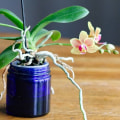
When it comes to orchid care, understanding the specific needs of these beautiful plants is crucial for their health and longevity. Orchids are not just any houseplants; they require a unique approach to watering, light, and humidity to thrive. One of the most common questions among orchid enthusiasts is whether tap water is suitable for watering their orchids. This question highlights the importance of proper orchid care tips that can significantly impact the overall well-being of these delicate flowers. Watering is a fundamental aspect of orchid health, and using the right type of water can make all the difference.
While many people rely on tap water for their household plants, it’s essential to consider the quality of that water. Tap water often contains chemicals like chlorine and fluoride, which can be harmful to orchids over time. Therefore, understanding how to properly hydrate your orchids is not just about keeping them alive; it’s about ensuring they flourish and bloom beautifully. In this article, we will delve deeper into the best practices for watering your orchids, including whether tap water is a viable option. By equipping yourself with effective orchid care tips, you can create an optimal environment for your orchids, allowing them to thrive and showcase their stunning blooms.
Let’s explore the nuances of orchid watering and discover how to keep these exquisite plants healthy and vibrant.
The Basics of Watering Orchids
Watering orchids is a critical aspect of orchid care that can significantly impact their health and blooming potential. Understanding the basics of how to water orchids will help you create an optimal environment for these beautiful plants.How to Water Orchids
- Watering Method: The most effective way to water orchids is to immerse the pot in a basin of water for about 10-15 minutes. This allows the roots to absorb moisture without becoming waterlogged.
- Water Quality: While tap water can be used, it’s essential to consider its quality. If your tap water is high in chlorine or minerals, it may be beneficial to use distilled or rainwater instead.
- Drainage: Ensure that your orchid pot has adequate drainage holes.
After watering, allow excess water to drain completely to prevent root rot.
Watering Frequency
The frequency of watering depends on several factors, including the type of orchid, the potting medium, and environmental conditions. Generally, orchids should be watered every 1-2 weeks. However, it’s crucial to check the moisture level of the potting medium before watering:
- If the top inch of the medium feels dry, it’s time to water.
- If it’s still moist, wait a few more days before checking again.
Orchid Watering Methods
In addition to immersion, there are other effective methods for watering orchids:
- Top Watering: Gently pour water over the potting medium until it begins to drain from the bottom.
- Misting: Lightly misting the leaves can help maintain humidity but should not replace regular watering.
Can I Use Tap Water to Water My Orchid?
When it comes to watering orchids, many plant enthusiasts wonder if tap water is a suitable option. The answer is not straightforward, as it depends on several factors, including the quality of your tap water and the specific needs of your orchid species.Is Tap Water Safe for Orchids?
In general, tap water can be used to water orchids, but there are some considerations to keep in mind:
- Chlorine and Chloramine: Many municipal water supplies treat their water with chlorine or chloramine to kill bacteria.
While most orchids can tolerate small amounts of these chemicals, prolonged exposure may harm their roots. If possible, let the water sit for 24 hours before using it to allow some of the chlorine to evaporate.
- Hard Water: If your tap water is hard, it contains high levels of minerals like calcium and magnesium. While some orchids can handle this, others may suffer from mineral buildup in their pots. Consider using distilled or rainwater if you notice white crusty deposits on the potting medium.
- pH Levels: Orchids prefer slightly acidic to neutral pH levels (around 5.5 to 7).
Test your tap water's pH; if it's too alkaline, it may not be ideal for your plants.
Watering Tips for Orchids
If you decide to use tap water, here are some tips to ensure your orchids thrive:
- Watering Frequency: Water your orchids when the potting medium feels dry to the touch. Overwatering can lead to root rot.
- Avoid Watering Leaves: Focus on watering the medium rather than the leaves to prevent fungal issues.
- Monitor Plant Health: Keep an eye on your orchids for signs of distress, such as yellowing leaves or stunted growth, which may indicate that the tap water is affecting them.
Factors Affecting Tap Water Quality
When considering tap water quality for your orchids, several factors come into play that can significantly affect their health and growth. Understanding these factors is crucial for effective orchid care.- Water Hardness: The hardness of tap water is determined by the concentration of minerals, primarily calcium and magnesium.
Hard water can lead to mineral buildup in the potting medium, which may hinder the orchid's ability to absorb nutrients. If you notice white crusty deposits on the pot or leaves, it may be a sign of hard water. Orchids generally prefer slightly acidic conditions, so using soft or distilled water can help maintain optimal pH levels.
- Chlorine and Chloramine: Many municipal water supplies treat tap water with chlorine or chloramine to eliminate harmful bacteria. While these chemicals are effective for human consumption, they can be detrimental to orchids.
Chlorine can evaporate if the water is left to sit for 24 hours, but chloramine does not dissipate as easily. If your tap water contains chloramine, consider using a water filter designed to remove it or opt for rainwater or distilled water.
- pH Levels: The pH level of tap water can also impact orchid health. Most orchids thrive in a pH range of 5.5 to 6.5.If your tap water is too alkaline, it may lead to nutrient lockout, where the plant cannot absorb essential minerals. Testing your water's pH can help you determine if adjustments are necessary.
Regularly testing for hardness, chlorine levels, and pH can help you make informed decisions about the best watering practices for your orchids.
Alternatives to Tap Water for Orchids
While tap water can be convenient for watering orchids, it may not always be the best choice due to its chemical content, such as chlorine and fluoride, which can harm these delicate plants. Fortunately, there are several alternatives that can provide your orchids with the hydration they need without the potential drawbacks of tap water.Distilled Water for Orchids
Distilled water is a popular choice among orchid enthusiasts. This type of water is free from minerals and chemicals, making it an excellent option for orchids that are sensitive to impurities. Using distilled water can help prevent mineral buildup in the potting medium, which can lead to root rot and other issues.However, it's important to note that distilled water lacks essential nutrients, so you may need to supplement with a balanced fertilizer during the growing season.
Rainwater for Orchids
Rainwater is another fantastic alternative for watering orchids. It is naturally soft and free from the chemicals found in municipal water supplies. Collecting rainwater is not only eco-friendly but also provides your orchids with a more natural source of hydration. Just ensure that you collect rainwater in clean containers to avoid contamination.Additionally, rainwater often contains trace minerals that can benefit your orchids without the risk of over-fertilization.
Other Alternatives
- Filtered Water: Using a water filter can remove many impurities found in tap water, making it a suitable option for orchids.
- Bottled Spring Water: This type of water typically contains beneficial minerals and is free from harmful chemicals.
- Aged Tap Water: If you prefer to use tap water, letting it sit out for 24 hours can allow chlorine to dissipate, making it safer for your orchids.
Signs of Overwatering or Underwatering Orchids
Understanding the signs of overwatering and underwatering is crucial for maintaining healthy orchids. Both conditions can lead to serious health issues for your plants, so being able to identify the symptoms early can save your orchids from potential damage.Signs of Overwatering Orchids
- Yellowing Leaves: One of the most common signs of overwatering is yellowing leaves. If the leaves start to turn yellow and feel soft, it may indicate that the roots are sitting in water and are unable to breathe.
- Wilting: While wilting is often associated with underwatering, it can also occur in overwatered orchids due to root rot.
The plant may appear limp despite having moist soil.
- Mushy Roots: If you remove the orchid from its pot and notice that the roots are brown and mushy, this is a clear sign of overwatering. Healthy roots should be firm and green.
- Fungal Growth: Excess moisture can lead to fungal infections. If you see mold or fungus on the surface of the potting medium, it’s a sign that you are watering too frequently.
Signs of Underwatering Orchids
- Crispy Leaves: If the leaves feel dry and crispy, this is a strong indication that your orchid is not receiving enough water. The edges may also start to brown.
- Wrinkled Pseudobulbs: For orchids with pseudobulbs, such as Cattleyas, wrinkling or shriveling of these structures indicates that the plant is dehydrated.
- Dropping Flowers: If your orchid drops its flowers prematurely, it could be a sign of stress from underwatering.
This is especially true if the plant has not been watered in a while.
- Pale Roots: Healthy roots should be green or white. If they appear gray or shriveled, it’s likely that your orchid needs more water.
Frequently Asked Questions About Orchid Watering
When it comes to watering orchids, many enthusiasts have questions about the best practices to ensure their plants thrive. Here are some of the most frequently asked questions regarding orchid watering:- Can I use tap water to water my orchid?
Yes, you can use tap water, but it's essential to consider the quality of your tap water.If your water is heavily chlorinated or contains high levels of minerals, it may not be ideal for your orchids. Letting the water sit out for 24 hours can help dissipate chlorine and allow any sediment to settle.
- How often should I water my orchids?
The frequency of watering depends on several factors, including the type of orchid, potting medium, and environmental conditions. Always check the moisture level of the potting medium before watering; it should be dry to the touch. - What is the best time to water orchids?
The best time to water orchids is in the morning. This allows excess moisture to evaporate throughout the day, reducing the risk of root rot and fungal diseases. - Should I mist my orchids?
Misting can be beneficial, especially in dry environments, but it should not replace regular watering.Misting increases humidity around the plant but does not provide sufficient moisture to the roots.
- How do I know if my orchid needs water?
Check the potting medium; if it feels dry several inches down or if the roots appear silvery or shriveled, it's time to water. Conversely, if the roots are green and the medium is damp, wait a few days before checking again.
Conclusion: Best Practices for Watering Your Orchid
In conclusion, understanding the best practices for watering your orchid is crucial for its health and longevity. While tap water can be used in moderation, it is essential to consider its quality and the specific needs of your orchid species. Here are some key takeaways to ensure you provide optimal care:- Water Quality: If your tap water is high in chlorine or minerals, consider using distilled or rainwater instead. This can help prevent mineral buildup in the potting medium.
- Watering Frequency: Orchids generally prefer to dry out slightly between waterings.
A good rule of thumb is to check the moisture level of the potting medium before watering again.
- Time of Day: Watering in the morning allows excess moisture to evaporate during the day, reducing the risk of root rot.
- Drainage: Ensure that your orchid pot has adequate drainage holes. Standing water can lead to root rot, which is detrimental to your plant's health.